

āĻĒā§āϰāϤāĻŋāϝ⧋āĻ—āĻŋāϤāĻžāĻŽā§‚āϞāĻ• āĻĒāϰ⧀āĻ•ā§āώāĻžāϏāĻŽā§‚āĻšā§‡ āχāĻ‚āϰ⧇āϜāĻŋ āĻ­āĻžāώāĻžāĻœā§āĻžāĻžāύ⧇āϰ āϏāĻžāĻĨ⧇ āϏāĻžāĻĨ⧇ āĻŦāĻŋāĻļā§āϞ⧇āώāĻŖā§€ āĻļāĻ•ā§āϤāĻŋ āĻ“ āĻŽāĻžāύāϏāĻŋāĻ• āĻĻāĻ•ā§āώāϤāĻž āϝāĻžāϚāĻžāĻ‡ā§Ÿā§‡āϰ āϜāĻ¨ā§āϝ Reading Comprehension āĻāĻ•āϟāĻŋ āϗ⧁āϰ⧁āĻ¤ā§āĻŦāĻĒā§‚āĻ°ā§āĻŖ Test Area āĻšāĻŋāϏ⧇āĻŦ⧇ āĻŦāĻŋāĻŦ⧇āϚāĻŋāϤ āĻšā§Ÿā§‡ āφāϏāϛ⧇āĨ¤ āĻāχ āĻāĻ•āϟāĻŋāĻŽāĻžāĻ¤ā§āϰ āĻŦāĻŋāώ⧟ āĻ›āĻžā§œāĻž āĻ…āĻ¨ā§āϝāĻžāĻ¨ā§āϝāϗ⧁āϞ⧋ āĻŽā§‹āϟāĻžāĻŽā§āϟāĻŋāĻ­āĻžāĻŦ⧇ āĻ¸ā§āĻŽā§ƒāϤāĻŋāĻļāĻ•ā§āϤāĻŋ āύāĻŋāĻ°ā§āĻ­āϰāĨ¤ Literature, Grammar, Vocabulary āχāĻ¤ā§āϝāĻžāĻĻāĻŋ āĻŦāĻŋāώ⧟āϗ⧁āϞ⧋ āĻŽā§āĻ–āĻ¸ā§āĻĨ āĻ•āϰ⧇ āĻ•āĻŽāĻŦ⧇āĻļāĻŋ āωāĻ¤ā§āϤāϰ āĻĻā§‡ā§ŸāĻž āϏāĻŽā§āĻ­āĻŦāĨ¤ āĻ•āĻŋāĻ¨ā§āϤ⧁ āĻāĻ•āĻŽāĻžāĻ¤ā§āϰ āĻŦā§āϝāϤāĻŋāĻ•ā§āϰāĻŽ Reading Comprehension āϝāĻžāϤ⧇ āϏāĻŽā§ƒāĻĻā§āϧ Vocabulary āϏāĻŽā§āĻĒāĻ¨ā§āύ āĻĒā§āϰāϤāĻŋāϝ⧋āĻ—āĻŋāĻĻ⧇āϰāϕ⧇āĻ“ āĻ—āϞāĻĻāϘāĻ°ā§āĻŽ āĻšāϤ⧇ āĻšā§ŸāĨ¤ āĻ•āĻžāϰāĻŖ Reading-āĻāϰ āĻ•ā§āώ⧇āĻ¤ā§āϰ⧇ āĻļ⧁āϧ⧁ āĻļāĻŦā§āĻĻāĻžāĻ°ā§āĻĨ āϜāĻžāύāĻžāχ āϜāϰ⧁āϰāĻŋ āύ⧟ āĻŦāϰāĻ‚ Passage-āĻāϰ āϏāĻžāĻŽāĻ—ā§āϰāĻŋāĻ• āĻ…āĻ°ā§āĻĨ āĻ“ āĻ­āĻžāĻŦāĻžāĻ°ā§āĻĨ āĻ…āύ⧁āϧāĻžāĻŦāύāχ āĻ…āĻ¤ā§āϝāϧāĻŋāĻ• āϗ⧁āϰ⧁āĻ¤ā§āĻŦāĻĒā§‚āĻ°ā§āĻŖāĨ¤ āĻ…āϧāĻŋāĻ•āĻ¨ā§āϤ⧁ āĻĒāĻžāĻ āϕ⧇āϰ āĻļāĻŦā§āĻĻ āĻ­āĻžāĻŖā§āĻĄāĻžāϰ āϏāĻŽā§ƒāĻĻā§āϧ āĻšāϞ⧇āĻ“ āĻļāĻŦā§āĻĻ⧇āϰ āĻĒā§āϰāĻžā§Ÿā§‹āĻ—āĻŋāĻ• āĻ…āĻ°ā§āĻĨ⧇āϰ āĻšā§‡ā§Ÿā§‡ āϏāĻžāϧāĻžāϰāĻŖ āĻ…āĻ°ā§āĻĨ⧇āϰ āĻ“āĻĒāϰ āĻ…āϧāĻŋāĻ• āύāĻŋāĻ°ā§āĻ­āϰāĻļā§€āϞ āĻšāϞ⧇ Comprehension āĻĨ⧇āϕ⧇ āĻ•āĻžāĻ™ā§āĻ•ā§āώāĻŋāϤ āĻĢāϞ āϞāĻžāĻ­ āϏāĻŽā§āĻ­āĻŦ āύ⧟āĨ¤ āφāϰ āĻāϏāĻŦ āĻ•āĻžāϰāϪ⧇āχ Reading Comprehension āĻāĻ•āϟāĻŋ āĻ­ā§€āϤāĻŋāĻ•āϰ āĻŦāĻŋāώ⧟āĨ¤ āĻ•āĻŋāĻ¨ā§āϤ⧁ āĻĒā§āϰāϤāĻŋāϝ⧋āĻ—āĻŋāϤāĻžā§Ÿ āĻāĻ—āĻŋā§Ÿā§‡ āĻĨāĻžāĻ•āĻžāχ āϝ⧇āĻ–āĻžāύ⧇ āĻŽā§‚āϞ āϞāĻ•ā§āĻˇā§āϝ āϏ⧇āĻ–āĻžāύ⧇ Reading-āĻāϰ āĻŽāϤ⧋ āĻāĻ•āϟāĻŋ āϤ⧁āĻšā§āĻ› (!) āĻŦāĻŋāώ⧟āϕ⧇ āĻĒā§āϰāϤāĻŋāĻŦāĻ¨ā§āϧāĻ• āĻšāĻŋāϏ⧇āĻŦ⧇ āĻĻāĻžāρ⧜ āĻ•āϰāĻŋā§Ÿā§‡ āϰāĻžāĻ–āĻž āĻŽā§‹āĻŸā§‡āχ āĻŦ⧁āĻĻā§āϧāĻŋāĻŽāĻžāύ⧇āϰ āĻ•āĻžāϜ āύ⧟āĨ¤ āϏāĻ¤ā§āϝāĻŋ āĻŦāϞāϤ⧇ āĻ•āĻŋ, Reading-āĻāϰ āĻ…āĻ°ā§āĻĨ, āϞāĻ•ā§āĻˇā§āϝ āĻ“ āωāĻĻā§āĻĻ⧇āĻļā§āϝ, āĻĒā§āϰāĻ•ā§āϰāĻŋ⧟āĻž, āĻ•ā§ŒāĻļāϞ āχāĻ¤ā§āϝāĻžāĻĻāĻŋ āϏāĻŽā§āĻŦāĻ¨ā§āϧ⧇ āĻĒā§āϰāĻžāĻĨāĻŽāĻŋāĻ• āϧāĻžāϰāĻŖāĻž āĻĨāĻžāĻ•āϞ⧇ Comprehension-āĻāϰ āωāĻ¤ā§āϤāϰ āĻĻā§‡ā§ŸāĻž āĻ•āĻŋāϛ⧁āϟāĻž āĻ•āĻ āĻŋāύ āĻšāϞ⧇āĻ“ āĻĻ⧁āσāϏāĻžāĻ§ā§āϝ āĻ•āĻŋāϛ⧁ āύ⧟āĨ¤ āĻŦāĻŋāώ⧟āϟāĻŋ āĻ…āύ⧇āϕ⧇āϰ āĻ•āĻžāϛ⧇ āϤāĻžāĻ¤ā§āĻ¤ā§āĻŦāĻŋāĻ• āĻŽāύ⧇ āĻšāϞ⧇āĻ“ āφāĻĒāύāĻŋ āϝāĻĻāĻŋ (āĻĒāϰ⧀āĻ•ā§āώāĻžāϰ) āĻĒā§āϰāĻļā§āύāĻ•āĻ°ā§āϤāĻžāϰ āĻ­ā§‚āĻŽāĻŋāĻ•āĻž āύāĻŋā§Ÿā§‡ āĻŦāĻŋāώ⧟āϟāĻŋāϰ āĻ—āĻ­ā§€āϰ⧇ āϝāĻžāĻ“ā§ŸāĻžāϰ āĻšā§‡āĻˇā§āϟāĻž āĻ•āϰ⧇āύ āϤāĻžāĻšāϞ⧇ āĻĻāĻ•ā§āώ Reader āύāĻž āĻšā§Ÿā§‡āĻ“ āĻ…āĻŦāϞ⧀āϞāĻžā§Ÿ Reading Comprehension-āĻāϰ āωāĻ¤ā§āϤāϰ āĻĻā§‡ā§ŸāĻž āφāĻĒāύāĻžāϰ āϜāĻ¨ā§āϝ āϏāĻšāϜāϏāĻžāĻ§ā§āϝ āĻšāĻŦ⧇ āĻŦāϞ⧇ āφāĻļāĻž āĻ•āϰāĻž āϝāĻžā§ŸāĨ¤ Practice-āĻāϰ āϜāĻ¨ā§āϝ āĻ•āĻŋāϛ⧁ Comprehension āĻĻā§‡ā§ŸāĻž āĻšāϞ⧋:

What is Reading (Reading āϕ⧀)?

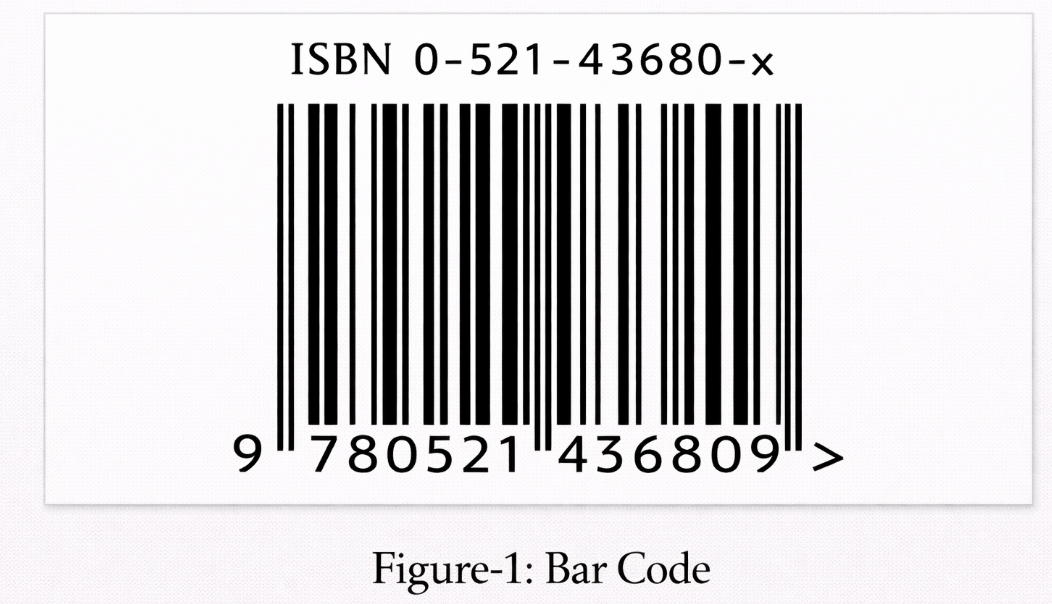
āĻŦāĻŋāĻĻ⧇āĻļā§€ āĻĒāĻŖā§āϝ āĻŦāĻž āĻŦāĻ‡ā§Ÿā§‡āϰ āĻĒāĻŋāĻ›āύ⧇ āĻāĻ• āϕ⧋āĻŖāĻžā§Ÿ āωāĻ˛ā§āϞāĻŽā§āĻŦ āĻ•āĻžāϞ⧋ āĻ•āĻžāϞ⧋ āĻĻāĻžāĻ— āĻ“ āĻ…āĻœā§āĻžāĻžāϤ āϏāĻ‚āĻ–ā§āϝāĻž āĻŦāĻŋāĻļāĻŋāĻˇā§āϟ āĻāĻ•āϟāĻŋ āϏāĻžāĻĻāĻž āϚāϤ⧁āĻ°ā§āϭ⧁āϜ āĻšā§ŸāϤ āĻ…āύ⧇āϕ⧇āχ āĻĻ⧇āϖ⧇āϛ⧇āύāĨ¤ āĻāϕ⧇ āĻŦāϞāĻž āĻšā§Ÿ āĻŦāĻžāϰāϕ⧋āĻĄ āĻŦāĻž āϰ⧇āĻ–āĻž āϏāĻ‚āϕ⧇āϤāĨ¤ āĻāχ āĻŦāĻžāϰāϕ⧋āĻĄā§‡āϰ āĻŽāĻ§ā§āϝ⧇ āϐ āĻĒāĻŖā§āϝ⧇āϰ āĻŦāĻŋāĻ¸ā§āϤāĻžāϰāĻŋāϤ āϤāĻĨā§āϝ āĻ“ āĻŽā§‚āĻ˛ā§āϝ 'āϏāĻžāĻ‚āϕ⧇āϤāĻŋāĻ• āϚāĻŋāĻšā§āύ⧇āϰ āĻŽāĻžāĻ§ā§āϝāĻŽā§‡ āϞ⧇āĻ–āĻž' āϤāĻĨāĻž Encode āĻ•āϰāĻž āĻĨāĻžāϕ⧇āĨ¤

āĻŦāĻŋāĻļ⧇āώ āϝāĻ¨ā§āĻ¤ā§āϰ āĻŦāĻž āĻ•āĻŽā§āĻĒāĻŋāωāϟāĻžāϰ⧇āϰ āĻŽāĻžāĻ§ā§āϝāĻŽā§‡ āĻ āϏāĻžāĻ‚āϕ⧇āϤāĻŋāĻ• āϞ⧇āĻ–āĻžāϰ (Code) 'āĻ…āĻ°ā§āĻĨā§‹āĻĻā§āϧāĻžāϰ' āϤāĻĨāĻž Decode āĻ•āϰāĻž āĻšā§ŸāĨ¤

āϖ⧁āĻŦ āϏāĻšāϜāĻ­āĻžāĻŦ⧇ āĻŦ⧁āĻāϤ⧇, Reading āϕ⧇ āφāĻŽāϰāĻž āĻŦāĻžāϰāϕ⧋āĻĄā§‡āϰ āϏāĻžāĻĨ⧇ āϤ⧁āϞāύāĻž āĻ•āϰāϤ⧇ āĻĒāĻžāϰāĻŋāĨ¤ āϞ⧇āĻ–āĻ• āĻāĻ•āϟāĻŋ Passage-āĻ āϤāĻžāϰ āĻ…āĻ°ā§āĻĨ āĻ“ āĻ­āĻžāĻŦāĻžāĻ°ā§āĻĨ Encode āĻ•āϰ⧇āύ āĻāĻŦāĻ‚ āĻĒāĻžāĻ āĻ• āϤāĻž Decode āĻ•āϰ⧇ āĻĨāĻžāϕ⧇āύāĨ¤ āϏ⧁āϤāϰāĻžāĻ‚ āϏāĻšāϜ āĻ•āĻĨāĻžā§Ÿ Reading is a decoding process āĻ…āĻ°ā§āĻĨāĻžā§Ž Reading āĻšāĻšā§āϛ⧇ āĻāĻ•āϟāĻŋ 'āĻ…āĻ°ā§āĻĨā§‹āĻĻā§āϧāĻžāϰ' āĻĒā§āϰāĻ•ā§āϰāĻŋ⧟āĻžāĨ¤

"The Oxford Companion to the English Language' āύāĻžāĻŽāĻ• āĻ—ā§āϰāĻ¨ā§āĻĨ⧇ Reading-āĻāϰ āϏāĻ‚āĻœā§āĻžāĻžā§Ÿ āĻŦāϞāĻž āĻšā§Ÿā§‡āϛ⧇-'Reading is the process of extracting meaning from written or printed language'.

āĻ…āĻ°ā§āĻĨāĻžā§Ž āϞāĻŋāĻ–āĻŋāϤ āĻŦāĻž āĻŽā§āĻĻā§āϰāĻŋāϤ āĻ­āĻžāώāĻž āĻĨ⧇āϕ⧇ āĻ…āĻ°ā§āĻĨ⧇āϰ āύāĻŋāĻ°ā§āϝāĻžāϏ āĻŦ⧇āϰ āĻ•āϰāĻžāϰ āĻĒā§āϰāĻ•ā§āϰāĻŋ⧟āĻžāϕ⧇ Reading āĻŦāϞāĻž āĻšā§ŸāĨ¤

'Longman Dictionary of Applied Linguistics' āĻ—ā§āϰāĻ¨ā§āĻĨ⧇ Comprehension-āĻāϰ āϏāĻ‚āĻœā§āĻžāĻžā§Ÿ āĻāĻ•āχāĻ­āĻžāĻŦ⧇ āĻŦāϞāĻž āĻšā§Ÿā§‡āϛ⧇-

'Comprehension is the process by which a person understands the meaning of written or spoken language'.

Types of Reading Comprehension (Comprehension-āĻāϰ āĻĒā§āϰāĻ•āĻžāϰāϭ⧇āĻĻ)

āĻĒā§‚āĻ°ā§āĻŦā§‹āĻ•ā§āϤ āĻ—ā§āϰāĻ¨ā§āĻĨ⧇ Reading comprehension-āĻāϰ āϝ⧇āϏāĻŦ āĻĒā§āϰāĻ•āĻžāϰ āĻŦāĻ°ā§āĻŖāύāĻž āĻ•āϰāĻž āĻšā§Ÿā§‡āϛ⧇ āϏ⧇ āĻšāĻŋāϏ⧇āĻŦ⧇ Comprehension āĻŽā§‹āϟāĻžāĻŽā§āϟāĻŋ ā§Ē āĻĒā§āϰāĻ•āĻžāϰ:

  1. Literal Comprehension: Passage-āĻāϰ āϏ⧁āĻ¸ā§āĻĒāĻˇā§āϟāĻ­āĻžāĻŦ⧇ āĻĒāĻĻ āĻ“ āϤāĻĨā§āϝāϏāĻŽā§‚āĻš āĻŦā§‹āĻāĻž, āĻŽāύ⧇ āϰāĻžāĻ–āĻž āĻāĻŦāĻ‚ āĻŽāύ⧇ āĻ•āϰāϤ⧇ āĻĒāĻžāϰāĻžāϕ⧇ Literal Comprehension āĻŦāϞāĻž āĻšā§ŸāĨ¤ Literal āĻ…āĻ°ā§āĻĨ āĻļāĻžāĻŦā§āĻĻāĻŋāĻ• āĻŦāĻž āφāĻ•ā§āώāϰāĻŋāĻ•āĨ¤ āĻāϰ āĻŽāĻžāĻ§ā§āϝāĻŽā§‡ āĻĒā§āϝāĻžāϏ⧇āĻœā§‡āϰ āĻļ⧁āϧ⧁ āĻļāĻžāĻŦā§āĻĻāĻŋāĻ• āĻ…āĻ°ā§āĻĨ āϜāĻžāύāĻž āϝāĻžā§Ÿ, āϝāĻž Advanced reading-āĻāϰ āϜāĻ¨ā§āϝ āϝāĻĨ⧇āĻˇā§āϟ āύ⧟āĨ¤
  2. Inferential Comprehension: āĻĒāĻžāĻ āϕ⧇āϰ āĻŦā§āϝāĻ•ā§āϤāĻŋāĻ—āϤ āĻ…āĻ­āĻŋāĻœā§āĻžāϤāĻž, āĻ…āĻ¨ā§āϤāĻœā§āĻžāĻžāύ āĻ“ āĻ…āύ⧁āĻŽāĻžāύ⧇āϰ āĻŽāĻžāĻ§ā§āϝāĻŽā§‡ Passage-āĻ āϝ⧇āϏāĻŦ āĻŦāĻŋāώ⧟ āϏ⧁āĻ¸ā§āĻĒāĻˇā§āϟāĻ­āĻžāĻŦ⧇ āωāĻ˛ā§āϞ⧇āĻ– āύ⧇āχ āϏ⧇āϗ⧁āϞ⧋ āĻšā§ƒāĻĻ⧟āĻ™ā§āĻ—āĻŽ āĻ•āϰāĻžāϕ⧇ Inferential Comprehension āĻŦāϞ⧇āĨ¤ āĻĻāĻ•ā§āώ Reader āĻšāĻ“ā§ŸāĻžāϰ āϜāĻ¨ā§āϝ āĻ āϧāϰāύ⧇āϰ Comprehension-āĻāϰ āĻŦāĻŋāĻ•āĻ˛ā§āĻĒ āύ⧇āχāĨ¤
  3. Critical or Evaluative Comprehension: Passage-āĻ āĻĒā§āϰāĻĻāĻ¤ā§āϤ āϤāĻĨā§āϝāϕ⧇ āĻĒāĻžāĻ āϕ⧇āϰ āĻœā§āĻžāĻžāύ āĻ“ āĻŽā§‚āĻ˛ā§āϝāĻŦā§‹āϧ⧇āϰ āϏāĻžāĻĨ⧇ āϤ⧁āϞāύāĻž āĻ•āϰāϤ⧇ āĻĒāĻžāϰāĻžāϰ āϝ⧋āĻ—ā§āϝāϤāĻžāχ Critical ComprehensionāĨ¤ āĻ āϧāϰāύ⧇āϰ Comprehension-āĻāϰ āĻ•ā§āώ⧇āĻ¤ā§āϰ⧇ āϏāĻ‚āĻļā§āϞāĻŋāĻˇā§āϟ āĻŦāĻŋāĻˇā§Ÿā§‡āϰ āĻĒā§āϰāϤāĻŋ āϞ⧇āĻ–āϕ⧇āϰ āĻĻ⧃āĻˇā§āϟāĻŋāĻ­āĻ™ā§āĻ—āĻŋ, Attitude āĻ“ Style āĻ…āύ⧁āϧāĻžāĻŦāύ āĻ•āϰāĻžāϰ āϝ⧋āĻ—ā§āϝāϤāĻž āĻ…āĻ°ā§āϜāύ āĻ•āϰāϤ⧇ āĻšā§ŸāĨ¤
  4. Appreciative Comprehension: āĻĒā§āϰāĻĻāĻ¤ā§āϤ Passage āĻĨ⧇āϕ⧇ āφāĻŦ⧇āĻ—āĻŽā§Ÿ (Emotional) āĻŦāĻž āĻ…āĻ¨ā§āϝ āϕ⧋āύ⧋ āϧāϰāύ⧇āϰ āĻĒā§āϰāϤāĻŋāĻ•ā§āϰāĻŋ⧟āĻž āĻĒāĻžāĻ“ā§ŸāĻž āϗ⧇āϞ⧇ āϤāĻžāϕ⧇ Appreciative Comprehension āĻŦāϞ⧇āĨ¤
What Makes Reading Difficult (āϝ⧇āϏāĻŦ āĻ•āĻžāϰāϪ⧇ Reading āĻ•āĻ āĻŋāύ āĻŽāύ⧇ āĻšā§Ÿ)

āĻŦāĻŋāĻ­āĻŋāĻ¨ā§āύ āĻ•āĻžāϰāϪ⧇ Reading āĻ•āĻ āĻŋāύ āĻšā§Ÿā§‡ āωāĻ āϤ⧇ āĻĒāĻžāϰ⧇āĨ¤ āĻāĻ•āϟāĻŋ Passage āĻāĻ•āϜāύ⧇āϰ āĻ•āĻžāϛ⧇ āϏāĻšāϜ āĻ•āĻŋāĻ¨ā§āϤ⧁ āĻ…āĻ¨ā§āϝāϜāύ⧇āϰ āĻ•āĻžāϛ⧇ āĻ•āĻ āĻŋāύ āĻŽāύ⧇ āĻšāϤ⧇ āĻĒāĻžāϰ⧇āĨ¤ āϝ⧇āϏāĻŦ āĻ•āĻžāϰāϪ⧇ Reading āĻ•āĻ āĻŋāύ āĻšā§Ÿā§‡ āĻ“āϠ⧇ āϏ⧇āϗ⧁āϞ⧋āϰ āϗ⧁āϰ⧁āĻ¤ā§āĻŦāĻĒā§‚āĻ°ā§āĻŖ āĻ•ā§Ÿā§‡āĻ•āϟāĻŋ āύāĻŋāĻšā§‡ āĻĻā§‡ā§ŸāĻž āĻšāϞ⧋:

  1. Difference in Language: āϞ⧇āĻ–āĻ• āĻ“ āĻĒāĻžāĻ āϕ⧇āϰ Code āĻŦāĻž āĻ­āĻžāώāĻž āϝāĻĻāĻŋ āĻ­āĻŋāĻ¨ā§āύ āĻšā§Ÿ āϤāĻžāĻšāϞ⧇ Reading āĻ•āĻ āĻŋāύ āĻšā§Ÿā§‡ āĻ“āϠ⧇āĨ¤ āϏ⧁āϤāϰāĻžāĻ‚ āϞ⧇āĻ–āϕ⧇āϰ āĻ­āĻžāώāĻž āϏāĻŽā§āĻŦāĻ¨ā§āϧ⧇ āĻĒāĻžāĻ āϕ⧇āϰ āϝāϤ āĻŦ⧇āĻļāĻŋ āĻœā§āĻžāĻžāύ, āϚāĻ°ā§āϚāĻž āĻ“ āĻ…āĻ­āĻŋāĻœā§āĻžāϤāĻž āĻĨāĻžāĻ•āĻŦ⧇ āĻĒāĻžāĻ āϕ⧇āϰ āĻ•āĻžāϛ⧇ āϤāĻž āϤāϤ āϏāĻšāϜ āĻŦāϞ⧇ āĻŽāύ⧇ āĻšāĻŦ⧇āĨ¤ āφāϰ āĻ āĻ•āĻžāϰāϪ⧇āχ āχāĻ‚āϰ⧇āϜāĻŋ āφāĻŽāĻžāĻĻ⧇āϰ āĻ•āĻžāϛ⧇ āĻāϤ āĻ•āĻ āĻŋāύ āĻŽāύ⧇ āĻšā§ŸāĨ¤
  2. Problem in Vocabulary: āϕ⧋āύ⧋ āĻ­āĻžāώāĻžā§Ÿ āĻĻāĻ•ā§āώ āĻšāĻ“ā§ŸāĻžāϰ āϜāĻ¨ā§āϝ āĻĒā§āĻ°ā§Ÿā§‹āϜāύ āϏ⧇āχ āĻ­āĻžāώāĻžāϰ āϏāĻŽā§ƒāĻĻā§āϧ VocabularyāĨ¤ āĻŦ⧇āĻļāĻŋ āĻļāĻŦā§āĻĻ āϜāĻžāύāĻž āĻĨāĻžāĻ•āϞ⧇ Passage āĻŦ⧁āĻāϤ⧇ āĻŦ⧇āĻļāĻŋ āϏ⧁āĻŦāĻŋāϧāĻž āĻšā§ŸāĨ¤ āĻļ⧁āϧ⧁ āĻļāĻŦā§āĻĻ āϜāĻžāύāϞ⧇āχ āĻšāĻŦ⧇ āύāĻž, āϐ āĻļāĻŦā§āĻĻ⧇āϰ āφāĻ•ā§āώāϰāĻŋāĻ• āĻ“ āĻĒā§āϰāĻžā§Ÿā§‹āĻ—āĻŋāĻ• āĻ…āĻ°ā§āĻĨ āϏāĻŽā§āĻŦāĻ¨ā§āϧ⧇ āĻ¸ā§āĻŦāĻšā§āĻ› āϧāĻžāϰāĻŖāĻž āĻĨāĻžāĻ•āϤ⧇ āĻšāĻŦ⧇āĨ¤
  3. Subject-wise Knowledge: āĻŦāĻŋāĻ­āĻŋāĻ¨ā§āύ āĻŦāĻŋāώ⧟ āĻĨ⧇āϕ⧇ āĻ¨ā§‡ā§ŸāĻž Passage āĻ…āύ⧇āϕ⧇āϰ āĻ•āĻžāϛ⧇ āĻĻ⧁āĻ°ā§āĻŦā§‹āĻ§ā§āϝ āĻŽāύ⧇ āĻšāĻŦ⧇āĨ¤ āĻ•āĻžāϰāĻŖ āϝāĻŋāύāĻŋ āϰāϏāĻžā§Ÿāύ āĻŦ āĻ­ā§‚āĻ—ā§‹āϞ āĻĒā§œā§‡āύāύāĻŋ āĻŦāĻž āĻ āϏāĻŽā§āĻĒāĻ°ā§āϕ⧇ āϤāĻžāϰ āĻĒā§āϰāĻžāĻĨāĻŽāĻŋāĻ• āϧāĻžāϰāĻŖāĻž āύ⧇āχ, āϐāϏāĻŦ Passage āϤāĻžāϰ āĻ•āĻžāϛ⧇ āĻŦ⧇āĻļāĻŋ āĻ•āĻ āĻŋāύ āĻŽāύ⧇ āĻšāϤ⧇ āĻĒāĻžāϰ⧇āĨ¤
  4. Difficulty is Concepts and Style: āĻļāĻžāĻŦā§āĻĻāĻŋāĻ• āĻ…āĻ°ā§āĻĨ āϜāĻžāύāϞ⧇āĻ“ āϕ⧋āύ⧋ āϏ⧁āύāĻŋāĻ°ā§āĻĻāĻŋāĻˇā§āϟ āĻŦāĻŋāĻˇā§Ÿā§‡ Clear concept āĻĨāĻžāĻ•āϞ⧇ āĻŦāĻž āϞ⧇āĻ–āϕ⧇āϰ Style āϏāĻŽā§āĻĒāĻ°ā§āϕ⧇ āĻ…āĻŦāĻšāĻŋāϤ āύāĻž āĻĨāĻžāĻ•āϞ⧇ Reading āĻ…āĻ¸ā§āĻŦāĻ¸ā§āϤāĻŋāĻ•āϰ āĻšāϤ⧇ āĻĒāĻžāϰ⧇āĨ¤

āĻ“āĻĒāϰ⧇āϰ āφāϞ⧋āϚāύāĻž āĻĨ⧇āϕ⧇ āĻāϟāĻž āĻĒāϰāĻŋāĻˇā§āĻ•āĻžāϰ āϝ⧇, āĻļ⧁āϧ⧁ āĻļāĻžāĻŦā§āĻĻāĻŋāĻ• āϜāϟāĻŋāϞāϤāĻžāϰ āĻ•āĻžāϰāϪ⧇ āύ⧟, āϞ⧇āĻ–āĻ•, āϞ⧇āĻ–āĻž āĻ“ āĻĒāĻžāĻ āϕ⧇āϰ āĻŽāĻžāĻā§‡ āĻ•āĻŋāϛ⧁ āϏāĻžāϧāĻžāϰāĻŖ (Common) āĻŦāĻŋāĻˇā§Ÿā§‡ āϘāĻžāϟāϤāĻŋ āĻĨāĻžāĻ•āϞ⧇ Reading āĻĻ⧁āĻ°ā§āĻŦā§‹āĻ§ā§āϝ āĻšāϤ⧇ āĻŦāĻžāĻ§ā§āϝāĨ¤

Role of Background Knowledge in Reading

āϕ⧋āύ⧋ āĻŦāĻŋāώ⧟ āϏāĻŽā§āĻŦāĻ¨ā§āϧ⧇ āφāĻŽāϰāĻž āϤāĻ–āύāχ āĻ…āύ⧁āĻŽāĻžāύ āĻ•āϰāϤ⧇ āĻĒāĻžāϰāĻŋ āϝāĻ–āύ āϐ āĻŦāĻŋāώ⧟ āϏāĻŽā§āĻŦāĻ¨ā§āϧ⧇ āφāĻŽāĻžāĻĻ⧇āϰ āĻĒā§‚āĻ°ā§āĻŦāĻœā§āĻžāĻžāύ āĻŦāĻž Background knowledge āĻĨāĻžāϕ⧇āĨ¤ āĻāχ āĻĒā§‚āĻ°ā§āĻŦāĻœā§āĻžāĻžāύ⧇āϰ āϧāĻžāϰāĻŖāĻžāϟāĻŋāϕ⧇ Reading-āĻāϰ āĻĒāϰāĻŋāĻ­āĻžāώāĻžā§Ÿ Schema theory āĻŦāϞāĻž āĻšā§ŸāĨ¤ Schema āĻāĻŽāύ āĻāĻ•āϟāĻŋ āĻŽāĻžāύāϏāĻŋāĻ• āĻĻāĻ•ā§āώāϤāĻž āϝāĻž āĻ…āĻ­āĻŋāĻœā§āĻžāϤāĻžāϰ āĻŽāĻžāĻ§ā§āϝāĻŽā§‡ āĻ…āĻ°ā§āϜāĻŋāϤ āĻšā§ŸāĨ¤ āϝ⧇āĻŽāύ: Road accident āϏāĻ‚āĻ•ā§āϰāĻžāĻ¨ā§āϤ āϝāĻĻāĻŋ āϕ⧋āύ⧋ Passage āĻĻā§‡ā§ŸāĻž āĻšā§Ÿ, āϤāĻžāĻšāϞ⧇ āĻ āϏāĻŽā§āĻĒāĻ°ā§āϕ⧇ āĻĒā§‚āĻ°ā§āĻŦāĻœā§āĻžāĻžāύ āĻŦāĻž āĻ…āĻ­āĻŋāĻœā§āĻžāϤāĻž āĻĨāĻžāĻ•āϞ⧇ āϤāĻž āĻĻā§āϰ⧁āϤ āĻŦ⧁āĻāϤ⧇ āϏ⧁āĻŦāĻŋāϧāĻž āĻšā§ŸāĨ¤ āĻ…āĻ¨ā§āϝāĻĻāĻŋāϕ⧇ āϕ⧋āύ⧋ Passage-āĻ āϝāĻĻāĻŋ āϤ⧁āώāĻžāϰ āĻā§œā§‡āϰ āĻŦāĻ°ā§āĻŖāύāĻž āĻĨāĻžāϕ⧇ āϤāĻžāĻšāϞ⧇ āĻ āϏāĻŽā§āĻĒāĻ°ā§āϕ⧇ āĻ…āύāĻŦāĻšāĻŋāϤ āĻĒāĻžāĻ āϕ⧇āϰ āĻ•āĻžāϛ⧇ āĻāϟāĻž āĻĻ⧁āĻ°ā§āĻŦā§‹āĻ§ā§āϝ āĻšāϤ⧇ āĻŦāĻžāĻ§ā§āϝāĨ¤ āϤāĻĻā§āϰ⧁āĻĒ āϕ⧋āύ⧋ Text-āĻ āϝāĻĻāĻŋ Technical term āĻŦāĻž āĻŦāĻŋāĻļ⧇āώ āĻĒāϰāĻŋāĻ­āĻžāώāĻž āĻĨāĻžāϕ⧇ āϤāĻŦ⧇ āϐ Text āĻĒāĻžāĻ āϕ⧇āϰ āĻ•āĻžāϛ⧇ āϜāϟāĻŋāϞ āĻšā§Ÿā§‡ āĻ“āϠ⧇āĨ¤ āϤ⧇āĻŽāύāĻŋ āϕ⧋āύ⧋ āĻĻ⧇āĻļ⧇āϰ āϏāĻ‚āĻ¸ā§āĻ•ā§ƒāϤāĻŋ āϏāĻŽā§āĻŦāĻ¨ā§āϧ⧇ āϝāĻĨāĻžāϝāĻĨ āĻœā§āĻžāĻžāύ āύāĻž āĻĨāĻžāĻ•āϞ⧇ cultural schema āĻŦ⧁āĻāϤ⧇ āϏāĻŽāĻ¸ā§āϝāĻž āĻšāĻŦ⧇ āϤāĻžāϤ⧇ āϕ⧋āύ⧋ āϏāĻ¨ā§āĻĻ⧇āĻš āύ⧇āχāĨ¤ āϤāĻžāχ Reading Skill āĻŦ⧃āĻĻā§āϧāĻŋāϰ āϜāĻ¨ā§āϝ Background knowledge āĻŦāĻž Schema āϗ⧁āϰ⧁āĻ¤ā§āĻŦāĻĒā§‚āĻ°ā§āĻŖāĨ¤ Schema āϏāĻŽā§ƒāĻĻā§āϧāĻ•āϰāĻŖ āĻāĻ•āϟāĻŋ āĻĻā§€āĻ°ā§āϘ āĻĻāĻŋāύ⧇āϰ āĻĒā§āϰāĻ•ā§āϰāĻŋ⧟āĻž āϝāĻž āĻŦ⧇āĻļāĻŋ āĻŦ⧇āĻļāĻŋ Reading Activities-āĻāϰ āĻŽāĻžāĻ§ā§āϝāĻŽā§‡ āφāϰ⧋ āϏāĻŽā§ƒāĻĻā§āϧ āĻšā§ŸāĨ¤ Reader-āĻāϰ āĻĒā§‚āĻ°ā§āĻŦ āĻœā§āĻžāĻžāύ⧇āϰ āĻĒāϰāĻŋāϧāĻŋ āϝāϤ āĻĒā§āϰāĻļāĻ¸ā§āϤ āĻšā§Ÿ, Comprehension āϤāϤ āĻŦāĻŋāĻ¸ā§āϤ⧃āϤ āĻšāϤ⧇ āĻĨāĻžāϕ⧇āĨ¤ āϏ⧁āϤāϰāĻžāĻ‚ āφāĻŽāϰāĻž āĻĻ⧇āĻ–āĻ›āĻŋ āϝ⧇, āĻĒāĻžāĻ āĻ•, āϞ⧇āĻ–āϕ⧇āϰ Background knowledge āϝāϤ āĻŦ⧇āĻļāĻŋ Share āĻ•āϰ⧇āύ, Comprehension āϤāϤ āĻŦ⧇āĻļāĻŋ āϏāĻšāϜ āĻ“ āĻ¸ā§āĻŦāĻšā§āĻ›āĻ¨ā§āĻĻ āĻšā§ŸāĨ¤

Process of Reading (āĻĒāĻ āύ āĻĒā§āϰāĻ•ā§āϰāĻŋ⧟āĻž)

āϝ⧇ āϕ⧋āύ⧋ āϜāϟāĻŋāϞ āĻŦāĻŋāώ⧟ āĻ†ā§ŸāĻ¤ā§āϤ āĻ•āϰāĻžāϰ āϜāĻ¨ā§āϝ āϝ⧇āĻŽāύ āĻĒā§āĻ°ā§Ÿā§‹āϜāύ āϏ⧁āύāĻŋāĻ°ā§āĻĻāĻŋāĻˇā§āϟ āĻĒā§āϰāĻ•ā§āϰāĻŋ⧟āĻžāϰ, āϤ⧇āĻŽāύāĻŋ Difficult reading āφāĻ¤ā§āĻŽāĻ¸ā§āĻĨ āĻ•āϰāĻžāϰ āϜāĻ¨ā§āϝ āĻĻ⧁āϟāĻŋ āϗ⧁āϰ⧁āĻ¤ā§āĻŦāĻĒā§‚āĻ°ā§āĻŖ āĻĒā§āϰāĻ•ā§āϰāĻŋ⧟āĻž āĻ°ā§Ÿā§‡āϛ⧇āĨ¤ āĻĒ⧜āĻžāϰ āĻ āĻĻ⧁āϟāĻŋ āĻĒā§āϰāĻ•ā§āϰāĻŋ⧟āĻžāχ āĻŦā§āϝāĻŦāĻšā§ƒāϤ āĻšā§ŸāĨ¤ āϤāĻŦ⧇ āĻŽāĻžāĻā§‡ āĻŽāĻžāĻā§‡ āĻāĻ•āϟāĻŋ āφāϰ⧇āĻ•āϟāĻŋāϰ āĻ“āĻĒāϰ āĻĒā§āϰāĻ­āĻžāĻŦ āĻŦāĻŋāĻ¸ā§āϤāĻžāϰ āĻ•āϰāϞ⧇āĻ“ āωāϭ⧟āϟāĻŋāχ āĻ…āĻ¤ā§āϝāĻ¨ā§āϤ āϜāϰ⧁āϰāĻŋāĨ¤ Reading-āĻāϰ āĻĒā§āϰāĻ•ā§āϰāĻŋ⧟āĻž āĻĻ⧁āϟāĻŋ āĻšāĻšā§āϛ⧇:

  1. The top-down process
  2. The bottom-up process

1. The Top-down Process of Reading: āĻāχ āĻĒā§āϰāĻ•ā§āϰāĻŋ⧟āĻžāϰ āĻŽāĻžāĻ§ā§āϝāĻŽā§‡ āĻĒāĻžāĻ āĻ• āϤāĻžāϰ āĻ…āĻ­āĻŋāĻœā§āĻžāϤāĻž āĻ“ āĻŦ⧁āĻĻā§āϧāĻŋāĻŽāĻ¤ā§āϤāĻž āĻŦā§āϝāĻŦāĻšāĻžāϰ āĻ•āϰ⧇ āĻĒā§‚āĻ°ā§āĻŦāĻœā§āĻžāĻžāύ⧇āϰ āĻŽāĻžāĻ§ā§āϝāĻŽā§‡ āĻ…āĻ°ā§āϜāĻŋāϤ āĻ…āύ⧁āĻŽāĻžāύ (Prediction) āĻĻāĻŋā§Ÿā§‡ Passage-āĻāϰ āĻŽāĻ°ā§āĻŽāĻžāĻ°ā§āĻĨ āĻ…āύ⧁āϧāĻžāĻŦāύ⧇āϰ āĻšā§‡āĻˇā§āϟāĻž āĻ•āϰ⧇ āĻĨāĻžāϕ⧇āĨ¤ 'Passage-āĻ āϝ⧇ āĻŦāĻŋāώ⧟āϟāĻŋ āϏāϰāĻžāϏāϰāĻŋ āĻŦāĻ°ā§āĻŖāĻŋāϤ āύ⧟'- āϤāĻž āĻ…āύ⧁āĻŽāĻžāύ āĻ•āϰāϤ⧇ āĻāχ Process āĻĒā§āĻ°ā§Ÿā§‹āĻ— āĻ•āϰāĻž āĻšā§ŸāĨ¤ āϞ⧇āĻ–āϕ⧇āϰ āϞ⧇āĻ–āĻžāϰ āϧāϰāύ āĻ“ āϝ⧁āĻ•ā§āϤāĻŋ āĻŦāĻŋāĻļā§āϞ⧇āώāĻŖ āĻ•āϰ⧇ Passage-āϟāĻŋāϰ āϏāĻžāĻŽāĻ—ā§āϰāĻŋāĻ• āĻ…āĻ°ā§āĻĨ āĻ…āύ⧁āϧāĻžāĻŦāύāχ āĻāχ āĻĒā§āϰāĻ•ā§āϰāĻŋ⧟āĻžāϰ āωāĻĻā§āĻĻ⧇āĻļā§āϝāĨ¤

2. The Bottom up Process of Reading: āĻāχ āĻĒā§āϰāĻ•ā§āϰāĻŋ⧟āĻžā§Ÿ āĻĒāĻžāĻ āĻ• Passage-āĻāϰ Word āĻ“ Sentence structure āĻĒā§‚āĻ°ā§āĻŖ āϏāĻšā§‡āϤāύāϤāĻžāϰ āϏāĻžāĻĨ⧇ āĻŦāĻŋāĻļā§āϞ⧇āώāĻŖ āĻ•āϰ⧇ āĻ…āĻ°ā§āĻĨ āĻ…āύ⧁āϧāĻžāĻŦāύ⧇āϰ āĻšā§‡āĻˇā§āϟāĻž āϚāĻžāϞāĻžā§ŸāĨ¤ Text āĻĒ⧜āϤ⧇ āĻ—āĻŋā§Ÿā§‡ āĻļ⧁āϰ⧁āϤ⧇āχ āĻĻāĻŋāĻļ⧇āĻšāĻžāϰāĻž āĻšāϞ⧇ āĻĒāĻžāĻ āĻ• āϏāĻžāϧāĻžāϰāĻŖāϤ āĻāχ āĻĒā§āϰāĻ•ā§āϰāĻŋ⧟āĻžāϰ āφāĻļā§āϰ⧟ āĻ¨ā§‡ā§ŸāĨ¤ 'Passage-āĻāϰ āĻŦāĻžāĻšā§āϝāĻŋāĻ• āĻ…āĻ°ā§āĻĨ āĻšā§ŸāϤ⧋ āϞ⧇āĻ–āϕ⧇āϰ āχāĻ¸ā§āĻĒāĻŋāϤ āĻ…āĻ°ā§āĻĨ āύ⧟'- āĻĒāĻžāĻ āϕ⧇āϰ āĻāϰ⧂āĻĒ āĻŦāĻŋāĻļā§āĻŦāĻžāϏ āĻĨ⧇āϕ⧇āχ Bottom-up process āĻļ⧁āϰ⧁ āĻšā§ŸāĨ¤ āϏāĻžāϧāĻžāϰāĻŖāϤ āĻĒāĻžāĻ°ā§āĻĨāĻŋāĻŦ āĻœā§āĻžāĻžāύ⧇āϰ āĻ…āĻ­āĻžāĻŦ āĻšāϞ⧇ āĻ…āĻĨāĻŦāĻž āϞ⧇āĻ–āϕ⧇āϰ āĻĻ⧃āĻˇā§āϟāĻŋāĻ­āĻ™ā§āĻ—āĻŋ (Point of view) āĻ…āĻ¤ā§āϝāϧāĻŋāĻ• āϜāϟāĻŋāϞ āĻšāϞ⧇ āĻ āϧāϰāύ⧇āϰ āϏāĻŽāĻ¸ā§āϝāĻž āĻšāϤ⧇ āĻĒāĻžāϰ⧇āĨ¤ āϏ⧇ āĻ•ā§āώ⧇āĻ¤ā§āϰ⧇ āĻļāĻŦā§āĻĻ āĻ“ āĻŦāĻžāĻ•ā§āϝ āĻŦāĻŋāĻļā§āϞ⧇āώāĻŖ āĻ•āϰ⧇ āφāĻŽāϰāĻž āĻāĻ•āϟāĻŋ āϏāĻžāĻĻāĻžāĻŽāĻžāϟāĻž āĻ…āĻ°ā§āĻĨ āĻ•āϰāĻžāϰ āĻĒā§āϰāĻšā§‡āĻˇā§āϟāĻž āϚāĻžāϞāĻžāχāĨ¤

Interactive Reading

āĻ…āĻ¸ā§āĻŦā§€āĻ•āĻžāϰ āĻ•āϰāĻžāϰ āωāĻĒāĻžā§Ÿ āύ⧇āχ āϝ⧇, Top-down āĻ“ Bottom up process āĻāϕ⧇ āĻ…āĻĒāϰ⧇āϰ āĻĒāϰāĻŋāĻĒā§‚āϰāĻ•āĨ¤ āĻĒāĻžāĻ āĻ• āĻĒā§āĻ°ā§Ÿā§‹āϜāύ āĻ…āύ⧁āϝāĻžā§Ÿā§€ āĻāĻ• āĻĒā§āϰāĻ•ā§āϰāĻŋ⧟āĻž āĻĨ⧇āϕ⧇ āĻ…āĻ¨ā§āϝ āĻĒā§āϰāĻ•ā§āϰāĻŋ⧟āĻž āĻ…āĻŦāϞāĻŽā§āĻŦāύ āĻ•āϰāϤ⧇ āĻĒāĻžāϰ⧇āĨ¤ Passage-āĻāϰ āϏāĻŽā§āĻ­āĻžāĻŦā§āϝ āĻ…āĻ°ā§āĻĨ āĻŦā§‹āĻāĻžāϰ āϜāĻ¨ā§āϝ āĻĒāĻžāĻ āĻ• āĻšā§ŸāϤ āĻĒā§āϰāĻĨāĻŽā§‡ Top-down process āĻŦā§āϝāĻŦāĻšāĻžāϰ āĻ•āϰāϤ⧇ āĻĒāĻžāϰ⧇āĨ¤ āĻ…āϤāσāĻĒāϰ āϤāĻžāϰ āĻāχ āĻ…āĻ°ā§āĻĨāχ āĻ•āĻŋ āϞ⧇āĻ–āĻ• āĻŦ⧁āĻāĻžāϤ⧇ āϚāĻžāĻšā§āϛ⧇āύ āĻ•āĻŋāύāĻž- āϤāĻž āϝāĻžāϚāĻžāχ āĻ•āϰāĻžāϰ āϜāĻ¨ā§āϝ Bottom-up process āĻŦā§āϝāĻŦāĻšāĻžāϰ āĻ•āϰ⧇āĨ¤ āĻāχ āĻĒāĻĻā§āϧāϤāĻŋāϕ⧇ āĻŦāϞāĻž āĻšā§Ÿ Interactive processāĨ¤ āĻāχ āĻĒā§āϰāĻ•ā§āϰāĻŋ⧟āĻžāϟāĻŋ āϏāĻšā§‡āϤāύāĻ­āĻžāĻŦ⧇ āĻŦā§āϝāĻŦāĻšāĻžāϰ āĻ•āϰāϤ⧇ āĻĒāĻžāϰāϞ⧇ āĻĒāĻžāĻ āϕ⧇āϰ Comprehension āĻ¤ā§āĻŦāϰāĻžāĻ¨ā§āĻŦāĻŋāϤ āĻšā§ŸāĨ¤

Strategies of Reading (Reading-āĻāϰ āĻ•ā§ŒāĻļāϞ)

Reading comprehension-āĻ āĻ­āĻžāϞ⧋ āĻ•āϰāĻžāϰ āĻŽā§‚āϞāĻŽāĻ¨ā§āĻ¤ā§āϰ āĻšāĻšā§āϛ⧇ āĻŦ⧇āĻļāĻŋ āĻŦ⧇āĻļāĻŋ āĻ…āύ⧁āĻļā§€āϞāύ āĻ•āϰāĻžāĨ¤ āϤāĻŦ⧇ āĻļ⧁āϧ⧁ āĻ…āύ⧁āĻļā§€āϞāύ āĻ•āϰāϞ⧇āχ āĻšāĻŦ⧇ āύāĻž, āĻŦāϰāĻ‚ Practice āĻ“ Practical āωāϭ⧟ test-āĻ āĻ•āĻŋāϛ⧁ āĻ•ā§ŒāĻļāϞ āĻ…āĻŦāϞāĻŽā§āĻŦāύ āĻ•āϰāϤ⧇ āĻšāĻŦ⧇āĨ¤ āĻ…āĻ­āĻŋāĻœā§āĻžāϤāĻžā§Ÿ āĻĻ⧇āĻ–āĻž āϗ⧇āϛ⧇ āϝāĻžāϰāĻž āĻāϏāĻŦ āĻ•ā§ŒāĻļāϞ āĻĒā§āĻ°ā§Ÿā§‹āĻ— āĻ•āϰ⧇ Comprehension-āĻāϰ āĻĒā§āϰāĻļā§āύ⧋āĻ¤ā§āϤāϰ āϏāĻŽāĻžāϧāĻžāύ āĻ•āϰāĻžāϰ āĻšā§‡āĻˇā§āϟāĻž āĻ•āϰ⧇āϛ⧇ āϤāĻžāϰāĻž āĻ…āĻ¨ā§āϝāĻžāĻ¨ā§āϝāĻĻ⧇āϰ āĻšā§‡ā§Ÿā§‡ Reading-āĻ āĻ­āĻžāϞ⧋ āϏāĻžāĻĢāĻ˛ā§āϝ āĻĻ⧇āĻ–āĻžāϤ⧇ āĻĒ⧇āϰ⧇āϛ⧇āĨ¤ āĻ•ā§āώ⧇āĻ¤ā§āϰ āĻŦāĻŋāĻļ⧇āώ⧇ āĻāĻŦāĻ‚ āĻĒā§āĻ°ā§Ÿā§‹āϜāύ āĻ…āύ⧁āϝāĻžā§Ÿā§€ āϝāϤ āĻŦ⧇āĻļāĻŋ āĻ•ā§ŒāĻļāϞ āĻŦā§āϝāĻŦāĻšāĻžāϰ āĻ•āϰāĻž āĻšāĻŦ⧇ Reading āϤāϤ Effective Successful āĻšāĻŦ⧇āĨ¤

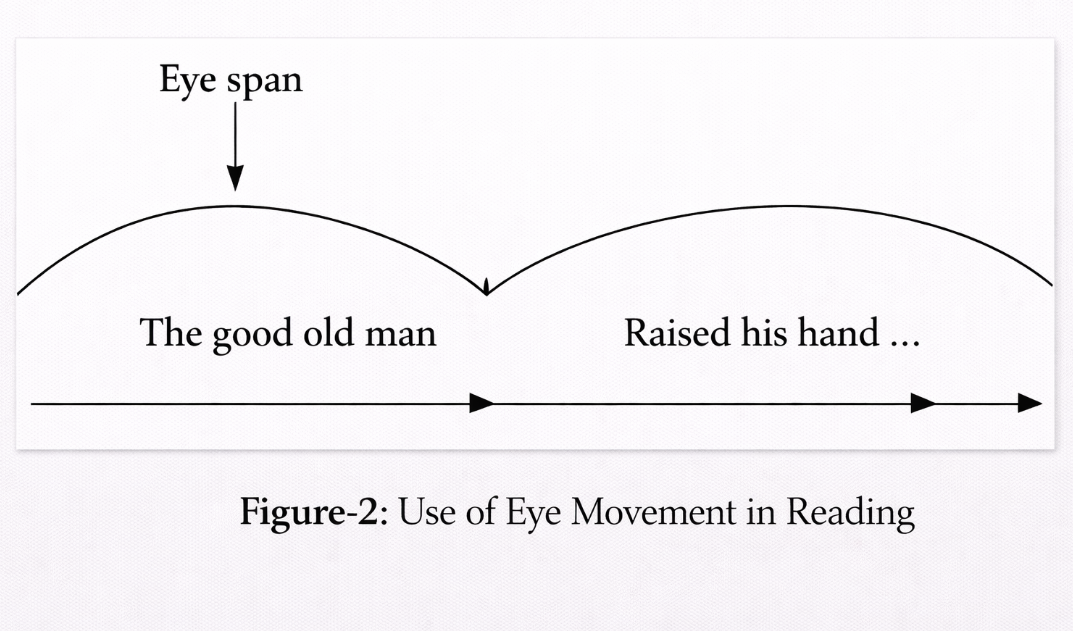
āĻ•ā§ŒāĻļāϞ-ā§§ Eye Movement: āĻĻ⧃āĻˇā§āϟāĻŋāĻĒāĻžāϤ⧇āϰ āϏāĻ āĻŋāĻ• āĻŦā§āϝāĻŦāĻšāĻžāϰ āĻ•āĻžāĻ°ā§āϝāĻ•āϰ Reading-āĻāϰ āϜāĻ¨ā§āϝ āĻ…āĻ¨ā§āϝāϤāĻŽ āĻĒā§‚āĻ°ā§āĻŦāĻļāĻ°ā§āϤāĨ¤ āϕ⧋āύ⧋ āĻ•āĻŋāϛ⧁ āĻĒ⧜āĻžāϰ āϏāĻŽā§Ÿ āφāĻŽāĻžāĻĻ⧇āϰ āĻšā§‹āĻ– āĻ•āĻŋāĻ¨ā§āϤ⧁ āĻŦāĻŋāϰāĻžāĻŽāĻšā§€āύ āĻ¸ā§āĻŦāĻšā§āĻ›āĻ¨ā§āĻĻ āĻ—āϤāĻŋāϤ⧇ āϚāϞ⧇ āύāĻž, āĻŦāϰāĻ‚ āĻ•āĻŋāϛ⧁ āĻļāĻŦā§āĻĻ āĻāĻ•āĻ¤ā§āϰ⧇ āĻĻ⧇āĻ–āĻžāϰ āĻĒāϰ āĻĻ⧃āĻˇā§āϟāĻŋ āϏāĻžāĻŽāĻžāĻ¨ā§āϝ āĻŦāĻŋāϰāϤāĻŋ āĻĻāĻŋā§Ÿā§‡ āĻĒāϰāĻŦāĻ°ā§āϤ⧀ āĻļāĻŦā§āĻĻāϗ⧁āĻšā§āϛ⧇ āĻĻā§āϰ⧁āϤ āϧāĻžāĻŦāĻŋāϤ āĻšā§ŸāĨ¤ āφāĻŽāϰāĻž āĻāĻ•āχ āϏāĻžāĻĨ⧇ āϝāϤāϗ⧁āϞ⧋ āĻļāĻŦā§āĻĻ āĻĒ⧜āϤ⧇ āĻĒāĻžāϰāĻŋ āϤāĻžāϕ⧇ āĻŦāϞāĻž āĻšā§Ÿ Eye span āĻāĻŦāĻ‚ āĻĻ⧁āχ Eye span-āĻāϰ āĻŽāĻžāĻā§‡ āĻĻ⧃āĻˇā§āϟāĻŋāĻĒāĻžāϤ⧇āϰ āϏāĻ‚āĻ•ā§āώāĻŋāĻĒā§āϤ āĻŦāĻŋāϰāϤāĻŋāϕ⧇ āĻŦāϞāĻž āĻšā§Ÿ FixationāĨ¤ āύāĻŋāĻšā§‡āϰ āϚāĻŋāĻ¤ā§āϰ āĻĻ⧇āϖ⧁āύ:

āĻĻ⧁āĻ°ā§āĻŦāϞ āĻĒāĻžāĻ āĻ• āĻļāĻŦā§āĻĻ⧇ āĻļāĻŦā§āĻĻ⧇ āĻĒ⧜āĻžāϰ āĻ•āĻžāϰāϪ⧇ āϤāĻžāϰ Eye span āĻ•āĻŽ āĻāĻŦāĻ‚ Fixation āĻŦ⧇āĻļāĻŋāĨ¤ āĻĻāĻ•ā§āώ āĻĒāĻžāĻ āϕ⧇āϰ Eye span āĻĨāĻžāϕ⧇ āĻĒā§āϰāϏāĻžāϰāĻŋāϤ āĻāĻŦāĻ‚ Fixation āĻ•āĻŽ āĻšā§ŸāĨ¤ āĻ…āĻ°ā§āĻĨāĻžā§Ž Reading-āĻ āϝāĻžāϰ Eye span āϝāϤ āĻ•āĻŽ Fixation-āĻ āϏ⧇ āϤāϤ āĻŦ⧇āĻļāĻŋ āĻĻāĻ•ā§āώ Reader āĻšāĻŋāϏ⧇āĻŦ⧇ āĻŦāĻŋāĻŦ⧇āϚāĻŋāϤ āĻšāĻŦ⧇āĨ¤ āĻĒ⧜āĻžāϰ āϏāĻŽā§Ÿ āφāĻŽāĻžāĻĻ⧇āϰ āĻĻ⧃āĻˇā§āϟāĻŋ āĻļ⧁āϧ⧁ āĻāĻ•āϟāĻŋ āϞāĻžāχāύ⧇ āϏ⧀āĻŽāĻžāĻŦāĻĻā§āϧ āĻĨāĻžāϕ⧇ āύāĻž, āωāĻĒāϰ āύāĻŋāĻšā§‡āĻ“ āϚāϞ⧇ āϝāĻžā§ŸāĨ¤ āϏ⧇ āĻ•ā§āώ⧇āĻ¤ā§āϰ⧇ āĻĻāĻ•ā§āώ āĻĒāĻžāĻ āĻ• Passage -āĻāϰ āĻļ⧁āϧ⧁ Key words āĻŦāĻž āĻŽā§‚āϞ āĻļāĻŦā§āĻĻāϗ⧁āϞ⧋ āĻĻ⧇āϖ⧇ āĻĻā§āϰ⧁āϤ āĻ­āĻžāĻŦāĻžāĻ°ā§āĻĨ āĻšā§ƒāĻĻ⧟āĻ™ā§āĻ—āĻŽ āĻ•āϰāϤ⧇ āĻĒāĻžāϰ⧇āĨ¤

āĻ•ā§ŒāĻļāϞ-⧍ Reading Sense Group: āĻ•ā§ŒāĻļāϞ⧀ āĻĒāĻžāĻ āĻ• āĻļāĻŦā§āĻĻ⧇ āĻļāĻŦā§āĻĻ⧇ āĻĒā§œā§‡ āύāĻž āĻŦāϰāĻ‚ āĻ•āϤāϗ⧁āϞ⧋ āĻļāĻŦā§āĻĻ āύāĻŋā§Ÿā§‡ āĻ…āĻ°ā§āĻĨ⧇āϰ āϝ⧇ āĻāĻ•āϟāĻŋ Unit āĻŦāĻž Sense group āϤ⧈āϰāĻŋ āĻšā§Ÿ āϤāĻž āĻĒā§œā§‡ āĻĨāĻžāϕ⧇āĨ¤ āĻāχ āĻ•ā§ŒāĻļāϞāϕ⧇ āφāĻŽāϰāĻž Phrase readingāĻ“ āĻŦāϞāϤ⧇ āĻĒāĻžāϰāĻŋāĨ¤ āĻŦāĻžāĻ•ā§āϝ⧇āϰ āĻļāĻŦā§āĻĻāϗ⧁āϞ⧋āϕ⧇ Phrase by phrase āĻ­āĻžāĻ— āĻ•āϰ⧇ āĻĒ⧜āϞ⧇ āĻĒāĻ āύ āĻĻā§āϰ⧁āϤ āĻšā§Ÿ āĻāĻŦāĻ‚ āĻ…āĻ°ā§āĻĨ āĻĻā§āϰ⧁āϤ āĻŦ⧁āĻāϤ⧇āĻ“ āϏ⧁āĻŦāĻŋāϧāĻž āĻšā§ŸāĨ¤ āϝ⧇āĻŽāύ āĻāĻ•āϜāύ āĻ­āĻžāϞ⧋ āĻĒāĻžāĻ āĻ• āύāĻŋāĻšā§‡āϰ āĻŦāĻžāĻ•ā§āϝāϟāĻŋ āĻĒ⧜āĻŦ⧇ āĻāĻ­āĻžāĻŦ⧇-

The good old man | raised his hands | in blessing.

āĻĻāĻ•ā§āώ āĻĒāĻžāĻ āĻ• āĻāχ āĻŦāĻžāĻ•ā§āϝāϟāĻŋāϕ⧇ āĻŽāĻžāĻ¤ā§āϰ āĻĻ⧁āχ fixation-āĻ āĻĒā§œā§‡ āĻĢ⧇āϞāϤ⧇ āĻĒāĻžāϰ⧇āĨ¤ āĻĒāĻ•ā§āώāĻžāĻ¨ā§āϤāϰ⧇ āĻāĻ•āϜāύ āĻĻ⧁āĻ°ā§āĻŦāϞ āĻĒāĻžāĻ āĻ• āĻŦāĻžāĻ•ā§āϝāϟāĻŋ āĻĒ⧜āĻŦ⧇ āĻāĻ­āĻžāĻŦ⧇ -

The good | old man | raised his | hand in | blessing.

āĻāĻ­āĻžāĻŦ⧇ āĻāĻ•āĻžāϧāĻŋāĻ• Sense group-āĻāϰ āĻŽāĻ§ā§āϝ⧇ āϝāĻĻāĻŋ āĻĻā§āϰ⧁āϤ āϏāĻŽāĻ¨ā§āĻŦ⧟ āϏāĻžāϧāύ āĻ•āϰāĻž āϝāĻžā§Ÿ āϤāĻžāĻšāϞ⧇ Passage-āĻāϰ Message āĻŦ⧁āĻāĻž āϏāĻšāϜāϤāϰ āĻšā§ŸāĨ¤

āĻāĻ•āϟāĻŋ Passage āϕ⧇ āĻŦāĻŋāĻ­āĻŋāĻ¨ā§āύ Sense group āĻŦāĻž Phrase-āĻ āĻāĻ•āϟāĻŋ āĻ•āϞāĻžāĻŽā§‡ āϞāĻŋāϖ⧇ āĻ…āύ⧁āĻļā§€āϞāύ āĻ•āϰāĻž āϝ⧇āϤ⧇ āĻĒāĻžāϰ⧇, āĻāĻ­āĻžāĻŦ⧇-

In this way

it is hoped

he will accustom himself

to taking in
increasingly long chunks of text

at a single eye fixation.

āĻ•ā§ŒāĻļāϞ-ā§Š Visual Reading: Reading āĻĻ⧁āχ āĻĒā§āϰāĻ•āĻžāϰ: 1. Silent reading 2. Reading aloud. āĻ…āύ⧇āϕ⧇ āĻĒ⧜āĻžāϰ āϏāĻŽā§Ÿ āĻŽā§āϖ⧇ āĻļāĻŦā§āĻĻ āωāĻšā§āϚāĻžāϰāĻŖ āĻ•āϰ⧇ āĻĒā§œā§‡āύ, āĻļāĻŦā§āĻĻ āύāĻž āĻ•āϰ⧇ āĻĒ⧜āϞ⧇ āϤāĻžāĻĻ⧇āϰ āĻĒ⧜āĻž āĻšā§Ÿ āύāĻž- āĻāϰāĻž āφāϏāϞ⧇ āĻ­āĻžāϞ⧋ āĻĒāĻžāĻ āĻ• āύāύāĨ¤ āĻĻāĻ•ā§āώ āĻĒāĻžāĻ āĻ• āĻŽāύ⧇ āĻŽāύ⧇ āĻĒā§œā§‡āύ, āĻŽāύ⧇āϰ āĻ•āĻžāύ āĻĻāĻŋā§Ÿā§‡ āĻļā§‹āύ⧇āύ, āĻŽāĻžāύāϏāĻĒāĻŸā§‡ āφāρāϕ⧇āύ āĻ…āĻ°ā§āĻĨāϚāĻŋāĻ¤ā§āϰ, āĻ…āύ⧁āĻ­āĻŦ āĻ•āϰ⧇āύ āĻšā§ƒāĻĻ⧟ āĻĻāĻŋā§Ÿā§‡āĨ¤ āĻļāĻŦā§āĻĻ āĻ•āϰ⧇ āĻĒ⧜āĻžāϰ āĻŦāĻĻ āĻ…āĻ­ā§āϝāĻžāϏ āĻ¤ā§āϝāĻžāĻ— āĻ•āϰāϤ⧇ āύāĻž āĻĒāĻžāϰāϞ⧇ āĻ•āĻ–āύ⧋āχ āĻ­āĻžāϞ⧋ āĻĒāĻžāĻ āĻ• āĻšāĻ“ā§ŸāĻž āϝāĻžāĻŦ⧇ āύāĻžāĨ¤

āĻ•ā§ŒāĻļāϞ-ā§Ē Reading Formats and Layouts: 'āĻāĻ•āϟāĻŋ Passage āϕ⧋āύ āĻ¸ā§āϟāĻžāχāϞ⧇ āĻŽā§āĻĻā§āϰāĻŖ āĻ•āϰāĻž āĻšā§Ÿā§‡āϛ⧇' āĻĒ⧜āĻžāϰ āϏāĻŽā§Ÿ āϤāĻž āĻ…āύ⧇āϕ⧇āχ āĻ–ā§‡ā§ŸāĻžāϞ āύāĻž āĻ•āϰāϞ⧇āĻ“ Comprehension-āĻāϰ āϜāĻ¨ā§āϝ āĻāϟāĻŋ āĻāĻ•āϟāĻŋ āϏāĻšāϜ āĻ…āĻĨāϚ āϖ⧁āĻŦāχ āϗ⧁āϰ⧁āĻ¤ā§āĻŦāĻĒā§‚āĻ°ā§āĻŖ āĻ•ā§ŒāĻļāϞāĨ¤ āĻŽā§āĻĻā§āϰāĻŋāϤ āϞ⧇āĻ–āĻžāϰ āφāĻ•ā§ƒāϤāĻŋ (Font size), āĻ¸ā§āϟāĻžāχāϞ (eg Times/Arial), Bold, Italic, Capitalization āĻāĻŽāύāĻ•āĻŋ Punctuation, layout āχāĻ¤ā§āϝāĻžāĻĻāĻŋ āϏāϤāĻ°ā§āĻ•āϤāĻžāϰ āϏāĻžāĻĨ⧇ āĻ–ā§‡ā§ŸāĻžāϞ āϰāĻžāĻ–āĻž Reading-āĻāϰ āϜāĻ¨ā§āϝ āϖ⧁āĻŦāχ āϗ⧁āϰ⧁āĻ¤ā§āĻŦāĻĒā§‚āĻ°ā§āĻŖāĨ¤ āϝ⧇āĻŽāύ- Passage-āĻāϰ Layout āĻĻ⧇āĻ–āϞ⧇ āĻŦ⧁āĻāĻžā§Ÿ āĻāϰ āϕ⧋āύ āĻ…āĻ‚āĻļ āϕ⧋āύāϟāĻŋāϰ āϏāĻžāĻĨ⧇ āϝ⧁āĻ•ā§āϤāĨ¤ āĻŦāĻžāĻŽ āĻŽāĻžāĻ°ā§āϜāĻŋāύ āĻĨ⧇āϕ⧇ āĻāĻ•āϟ⧁ āĻĄāĻžāύ⧇ āϏāϰ⧇ (Indentation) āϞ⧇āĻ–āĻž āĻļ⧁āϰ⧁ āĻšāϞ⧇ āύāϤ⧁āύ Paragraph āύāĻŋāĻ°ā§āĻĻ⧇āĻļ āĻ•āϰ⧇āĨ¤ āϗ⧁āϰ⧁āĻ¤ā§āĻŦ āĻŦ⧁āĻāĻžāύ⧋āϰ āϜāĻ¨ā§āϝ āĻ…āĻĨāĻŦāĻž āĻ•āĻžāϰ⧋ āĻ•āĻĨāĻž āωāĻĻā§āϧ⧃āϤ āĻ•āϰāĻžāϰ āϜāĻ¨ā§āϝ Single āĻ…āĻĨāĻŦāĻž Double quotation marks āĻŦā§āϝāĻŦāĻšāĻžāϰ āĻ•āϰāĻž āĻšā§ŸāĨ¤ āϤ⧇āĻŽāύāĻŋ Passage-āϟāĻŋ āϝāĻĻāĻŋ Dialogue āφāĻ•āĻžāϰ⧇ āĻĨāĻžāϕ⧇ āϤāĻžāĻšāϞ⧇ āϤāĻž āύāĻž āĻĒā§œā§‡āχ āĻļ⧁āϧ⧁ Layout āĻĻ⧇āϖ⧇ āĻŦ⧁āĻāĻž āϝāĻžā§ŸāĨ¤ āϤāĻŦ⧇ āϏāĻŦāĻšā§‡ā§Ÿā§‡ āϗ⧁āϰ⧁āĻ¤ā§āĻŦāĻĒā§‚āĻ°ā§āĻŖ āĻšāĻšā§āϛ⧇- āĻŦ⧜ āĻšāĻžāϤ⧇āϰ āĻ…āĻ•ā§āώāϰ (Capitalization), āĻŽā§‹āϟāĻž āĻ…āĻ•ā§āώāϰ (Bold) āĻ“ āĻŦāĻžāρāĻ•āĻž āĻ…āĻ•ā§āώāϰ (Italic)-āĻāϰ āĻŦā§āϝāĻŦāĻšāĻžāϰ āĻŦāĻŋāĻ­āĻŋāĻ¨ā§āύ āĻ•āĻžāϰāϪ⧇ āĻŦāĻž āωāĻĻā§āĻĻ⧇āĻļā§āϝ⧇ passage-āĻ āĻĻā§‡ā§ŸāĻž āĻĨāĻžāĻ•āϤ⧇ āĻĒāĻžāϰ⧇āĨ¤ āϝ⧇āĻŽāύ-

  • āĻ•āĻ āĻŋāύ āĻļāĻŦā§āĻĻ, āϝāĻž āϏāĻŽā§āĻŦāĻ¨ā§āϧ⧇ āĻĒāϰ⧇ āĻĒā§āϰāĻļā§āύ āĻ•āϰāĻž āĻšāĻŦ⧇ āϤāĻž Bold āĻ•āϰ⧇ āĻĻā§‡ā§ŸāĻž āĻĨāĻžāĻ•āϤ⧇ āĻĒāĻžāϰ⧇--
    The total annual precipitation of an area with fourty inches of rain ....
  • āĻŦāĻžāĻ•ā§āϝ⧇āϰ āĻŽāĻ§ā§āϝ⧇ āϕ⧋āύ⧋ āĻļāĻŦā§āĻĻ Capital letter āĻĻāĻŋā§Ÿā§‡ āĻļ⧁āϰ⧁ āĻšāϞ⧇ āĻŦ⧁āĻāϤ⧇ āĻšāĻŦ⧇ āĻāϟāĻŋ Proper noun,
  • āϕ⧋āύ⧋ āĻŦāχ āĻŦāĻž āĻĢāĻŋāĻ˛ā§āĻŽā§‡āϰ āύāĻžāĻŽ Italic āĻ•āϰ⧇ āĻĻā§‡ā§ŸāĻž āĻĨāĻžāĻ•āϤ⧇ āĻĒāĻžāϰ⧇-
    The jewish character is successfully depicted in The Merchannt of Venice.
  • āĻŦāĻŋāĻĻ⧇āĻļā§€ āĻļāĻŦā§āĻĻ āĻŦāĻž āĻļāĻŦā§āĻĻāϗ⧁āĻšā§āĻ› Italic āĻ•āϰāĻž āĻĨāĻžāϕ⧇āĨ¤
    A species of viola is viola calaminaria.
  • āϕ⧋āύ⧋ āĻŦāĻŋāĻļ⧇āώ Word āĻŦāĻž Phrase āĻŦāĻŋāĻļ⧇āώāĻ­āĻžāĻŦ⧇ āωāĻ˛ā§āϞ⧇āĻ– āĻ•āϰāϤ⧇-
    We can't understand what they called total satisfaction.

āĻ•ā§ŒāĻļāϞ-ā§Ģ Pre-reading Activities: āĻŽā§‚āϞ Reading āĻļ⧁āϰ⧁ āĻ•āϰāĻžāϰ āφāϗ⧇ āĻāĻŽāύ āĻ•āĻŋāϛ⧁ āĻ•āĻžāϜ āφāϛ⧇ āϝāĻž āĻ•āϰāϞ⧇ comprehension-āĻāϰ āĻ•āĻžāϜ āĻ…āύ⧇āĻ• āĻĻā§‚āϰ āĻāĻ—āĻŋā§Ÿā§‡ āϝ⧇āϤ⧇ āĻĒāĻžāϰ⧇āĨ¤ Pre-reading-āĻāϰ āĻŽāĻ§ā§āϝ⧇ āĻĨāĻžāĻ•āϤ⧇ āĻĒāĻžāϰ⧇--

  • Title āĻŦāĻž āĻļāĻŋāϰ⧋āύāĻžāĻŽ āĻĒāĻžāĻ āĨ¤
  • āĻĒā§āϰāĻĨāĻŽ āĻĒā§āϝāĻžāϰāĻžāĻ—ā§āϰāĻžāĻĢ⧇āϰ āĻĒā§āϰāĻĨāĻŽ āĻĻ⧁āϟāĻŋ āĻŦāĻžāĻ•ā§āϝ āĻĒāĻžāĻ āĨ¤
  • āĻĒā§āϰāϤāĻŋāϟāĻŋ āĻĒā§āϝāĻžāϰāĻžāĻ—ā§āϰāĻžāĻĢ⧇āϰ ā§§āĻŽ āĻ“ āĻļ⧇āώ āĻŦāĻžāĻ•ā§āϝ āĻĒāĻžāĻ āĨ¤
  • Topic sentence āĻŦāĻž āĻŽā§‚āϞ āĻŦāĻžāĻ•ā§āϝāϟāĻŋ āϏāύāĻžāĻ•ā§āϤāĻ•āϰāĻŖāĨ¤

āϏāĻžāϧāĻžāϰāĻŖāϤ Passage-āĻāϰ āĻļāĻŋāϰ⧋āύāĻžāĻŽ (āϝāĻĻāĻŋ āĻĨāĻžāϕ⧇) āĻĻ⧇āϖ⧇āχ āĻāϰ āĻŦāĻŋāώ⧟āĻŦāĻ¸ā§āϤ⧁ āĻ…āύ⧁āĻŽāĻžāύ āĻ•āϰāĻž āϝāĻžā§ŸāĨ¤ āĻļāĻŋāϰ⧋āύāĻžāĻŽ āύāĻž āĻĨāĻžāĻ•āϞ⧇ āĻ…āύ⧇āĻ• āϏāĻŽā§Ÿ āĻĒā§āϝāĻžāϰāĻžāĻ—ā§āϰāĻžāĻĢ⧇āϰ ā§§āĻŽ āĻŦāĻž āĻļ⧇āώ āĻŦāĻžāĻ•ā§āϝ⧇ āφāϏāϞ āĻ•āĻĨāĻžāϟāĻŋ āĻŦāϞāĻž āĻĨāĻžāϕ⧇āĨ¤ āφāϰ āϝāĻĻāĻŋ Topic sentence-āϟāĻŋ āϕ⧋āύ⧋ āϰāĻ•āĻŽā§‡ āϏāύāĻžāĻ•ā§āϤ āĻ•āϰāĻž āϝāĻžā§Ÿ āϤāĻžāĻšāϞ⧇ āϤ⧋ āĻ•āĻĨāĻžāχ āύ⧇āχ-āĻĒ⧜āĻžāϰ āφāϗ⧇āχ Reading āĻļ⧇āώāĨ¤

Skimming: Reading-āĻāϰ āĻĒā§āϰāϧāĻžāύ āĻ•ā§ŒāĻļāϞ āĻšāĻšā§āϛ⧇ Skimming āĨ¤ Skimming āĻ…āĻ°ā§āĻĨ -

Glancing rapidly through a text to determine its gist.

āĻ…āĻ°ā§āĻĨāĻžā§Ž āĻŽā§‚āϞ āĻŦāĻŋāώ⧟āĻŦāĻ¸ā§āϤ⧁ āϜāĻžāύāĻžāϰ āϜāĻ¨ā§āϝ āϕ⧋āύ⧋ Passage-āĻāϰ āĻ“āĻĒāϰ āĻĻā§āϰ⧁āϤāĻŦ⧇āϗ⧇ āĻšā§‹āĻ– āĻŦ⧁āϞāĻžāύ⧋āϕ⧇ Skimming āĻŦāϞāĻž āĻšā§ŸāĨ¤ āĻ āĻ•ā§āώ⧇āĻ¤ā§āϰ⧇ Top-down process of reading āĻĒā§āĻ°ā§Ÿā§‹āĻ— āĻ•āϰāĻž āĻšā§ŸāĨ¤ āϕ⧋āύ⧋ Passage-āĻāϰ Title āĻŦāĻž āĻļāĻŋāϰ⧋āύāĻžāĻŽ āύāĻŋāĻ°ā§āϧāĻžāϰāĻŖ āĻ…āĻĨāĻŦāĻž āϞ⧇āĻ–āϕ⧇āϰ āĻŦā§āϝāĻžā§āϜāύāĻžāĻ°ā§āĻĨ (implication) āύāĻŋāĻ°ā§āĻŦāĻžāϚāύ āϏāĻ‚āĻ•ā§āϰāĻžāĻ¨ā§āϤ āĻĒā§āϰāĻļā§āύ⧇āϰ āωāĻ¤ā§āϤāϰ āĻĻāĻŋāϤ⧇ skimming āĻ…āĻ¤ā§āϝāĻžāĻŦāĻļā§āϝāĻ• āĻ•ā§ŒāĻļāϞāĨ¤

āĻ•ā§ŒāĻļāϞ-ā§­ Scanning: Comprehension-āĻāϰ āĻ…āϧāĻŋāĻ•āĻžāĻ‚āĻļ āĻĒā§āϰāĻļā§āύ⧋āĻ¤ā§āϤāϰ āĻāχ āĻ•ā§ŒāĻļāϞ āĻ›āĻžā§œāĻž āĻ…āϏāĻŽā§āĻ­āĻŦāĨ¤ scanning āĻ…āĻ°ā§āĻĨ-

Glancing rapidly through a text either to search for a specific piece of information (eg. name, date etc) or to get an initial impression of difficulty level.

āĻ…āĻ°ā§āĻĨāĻžā§Ž Passage-āĻ āĻŦāĻ°ā§āĻŖāĻŋāϤ āϕ⧋āύ⧋ āϏ⧁āύāĻŋāĻ°ā§āĻĻāĻŋāĻˇā§āϟ āϤāĻĨā§āϝ (āϝ⧇āĻŽāύ- āύāĻžāĻŽ, āϏāύ āĻŦāĻž āϤāĻžāϰāĻŋāĻ–) āĻŦ⧇āϰ āĻ•āϰāĻžāϰ āϜāĻ¨ā§āϝ āĻ…āĻĨāĻŦāĻž Passage-āϟāĻŋ āĻ•āϤāϟāĻž āĻ•āĻ āĻŋāύ āϤāĻž āύāĻŋāĻ°ā§āĻŖā§Ÿā§‡āϰ āϜāĻ¨ā§āϝ Passage-āĻāϰ āĻ“āĻĒāϰ āĻĻāĻŋā§Ÿā§‡ āĻĻā§āϰ⧁āϤ āĻšā§‹āĻ– āĻŦ⧁āϞāĻžāύ⧋āϕ⧇ Scanning āĻŦāϞ⧇āĨ¤ āϝ⧇āϏāĻŦ āĻŦāĻŋāώ⧟ āϖ⧁āρāϜāϤ⧇ Scanning āĻŦā§āϝāĻŦāĻšā§ƒāϤ āĻšā§Ÿ āϤāĻž āĻšāĻšā§āϛ⧇-

  • āĻŦā§āϝāĻ•ā§āϤāĻŋ, āĻŦāĻ¸ā§āϤ⧁, āĻ¸ā§āĻĨāĻžāύ⧇āϰ āύāĻžāĻŽ āĻŦ⧇āϰ āĻ•āϰāϤ⧇
  • āϕ⧋āύ⧋ āϏāύ āĻŦāĻž āϤāĻžāϰāĻŋāĻ– āϖ⧁āρāϜāϤ⧇
  • āĻ•āϤāϟāĻŋ āĻŦāĻŋāώ⧟ āĻŦāĻž āĻ•āϤāϜāύ āĻŦā§āϝāĻ•ā§āϤāĻŋ āϏāĻŽā§āĻŦāĻ¨ā§āϧ⧇ āφāϞ⧋āϚāύāĻž āĻ•āϰāĻž āĻšā§Ÿā§‡āϛ⧇
  • āĻŦā§āϝāĻ•ā§āϤāĻŋ āĻŦāĻž āĻŦāĻ¸ā§āϤ⧁āϰ āĻŽāĻ§ā§āϝ⧇ āϏāĻŽā§āĻĒāĻ°ā§āĻ• āĻŦ⧇āϰ āĻ•āϰāϤ⧇
  • Pronoun-āĻāϰ Reference āĻŦ⧇āϰ āĻ•āϰāϤ⧇āĨ¤

āĻ•ā§ŒāĻļāϞ-ā§Ž Marking the Text: āĻĻāĻ•ā§āώ Reading-āĻāϰ āĻ…āĻ¨ā§āϝāϤāĻŽ āĻāĻ•āϟāĻŋ āĻ•ā§ŒāĻļāϞ āĻšāĻšā§āϛ⧇ āĻĒ⧜āĻžāϰ āϏāĻŽā§Ÿ āϗ⧁āϰ⧁āĻ¤ā§āĻŦāĻĒā§‚āĻ°ā§āĻŖ āĻŦā§āϝāĻ•ā§āϤāĻŋ, āĻŦāĻ¸ā§āϤ⧁, āĻ¸ā§āĻĨāĻžāύ, āϏāύ, āϤāĻžāϰāĻŋāĻ– āχāĻ¤ā§āϝāĻžāĻĻāĻŋ āĻĻāĻžāĻ— āĻĻā§‡ā§ŸāĻžāĨ¤ āĻŦāĻŋāĻˇā§Ÿā§‡āϰ āφāϧāĻŋāĻ•ā§āϝ āĻĨāĻžāĻ•āϞ⧇ āĻŦāĻŋāĻ­āĻŋāĻ¨ā§āύ āϧāϰāύ⧇āϰ āĻĻāĻžāĻ— āĻŦā§āϝāĻŦāĻšāĻžāϰ āĻ•āϰāĻž āϝ⧇āϤ⧇ āĻĒāĻžāϰ⧇āĨ¤ Scanning-āĻāϰ āϏāĻŽā§Ÿ āĻāϏāĻŦ āĻŦāĻŋāώ⧟ āĻĻāĻžāĻ—āĻžāĻĻāĻžāĻ—āĻŋ āĻ•āϰāϞ⧇ āĻĒā§āϰāĻļā§āύ⧋āĻ¤ā§āϤāϰ āĻĻā§āϰ⧁āϤāϤāĻžāϰ āϏāĻžāĻĨ⧇ āĻļ⧇āώ āĻ•āϰāĻž āϏāĻŽā§āĻ­āĻŦāĨ¤

āĻ•ā§ŒāĻļāϞ-⧝ Using Context Clue āϕ⧋āύ⧋ āĻāĻ•āϟāĻŋ āĻŦāĻŋāώ⧟ āϕ⧋āύ āĻĒāϰāĻŋāĻĒā§āϰ⧇āĻ•ā§āώāĻŋāϤ⧇ āĻŦāĻ°ā§āĻŖāύāĻž āĻ•āϰāĻž āĻšā§Ÿā§‡āϛ⧇ āϤāĻžāϕ⧇ āĻŦāϞāĻž āĻšā§Ÿ āĻāϰ contextāĨ¤ āφāϰ āϝ⧇āϏāĻŦ āĻļāĻŦā§āĻĻ, āĻļāĻŦā§āĻĻāϗ⧁āĻšā§āĻ› āĻŦāĻž āĻŦāĻžāĻ•ā§āϝ āĻāϰ āĻ…āύ⧁āϧāĻžāĻŦāύ⧇ āϏāĻžāĻšāĻžāĻ¯ā§āϝ āĻ•āϰ⧇ āϤāĻžāĻĻ⧇āϰ āĻŦāϞāĻž āĻšā§Ÿ Context cluesāĨ¤ āϏāĻžāϧāĻžāϰāĻŖāϤ āĻŽā§‹āϟāĻžāĻŽā§āϟāĻŋ āĻ•āĻ āĻŋāύ āĻĒā§āϰāĻļā§āύ⧇āϰ āωāĻ¤ā§āϤāϰ āĻĻāĻŋāϤ⧇ Context clue-āĻāϰ āĻŦā§āϝāĻŦāĻšāĻžāϰ āϖ⧁āĻŦāχ āϗ⧁āϰ⧁āĻ¤ā§āĻŦāĻĒā§‚āĻ°ā§āĻŖāĨ¤ āĻŦāĻŋāĻļ⧇āώ āĻ•āϰ⧇ Passage-āĻ āĻ…āύ⧁āĻ•ā§āϤ āĻŦāĻŋāώ⧟ āϏāĻŽā§āĻŦāĻ¨ā§āϧ⧇ āĻ…āύ⧁āĻŽāĻžāύ āĻ•āϰāĻž Context clue āĻ›āĻžā§œāĻž āϏāĻŽā§āĻ­āĻŦ āύ⧟āĨ¤
āĻ•ā§ŒāĻļāϞ-ā§§ā§Ļ Using Background Knowledge: Reading-āĻ Background knowledge-āĻāϰ āϗ⧁āϰ⧁āĻ¤ā§āĻŦ āϏāĻŽā§āĻĒāĻ°ā§āϕ⧇ āφāϗ⧇āχ āĻŦāĻŋāĻ¸ā§āϤāĻžāϰāĻŋāϤ āφāϞ⧋āϚāύāĻž āĻ•āϰāĻž āĻšā§Ÿā§‡āϛ⧇āĨ¤ āϕ⧋āύ⧋ āĻŦāĻŋāώ⧟ āĻĒ⧜āĻžāϰ āϏāĻŽā§Ÿ āϏ⧇ āϏāĻŽā§āĻĒāĻ°ā§āϕ⧇ āĻĒāĻžāĻ āĻ• āϝāĻĻāĻŋ āϤāĻžāϰ āĻĒā§‚āĻ°ā§āĻŦāĻœā§āĻžāĻžāύ āĻ“ āĻ…āĻ­āĻŋāĻœā§āĻžāϤāĻžāϰ āφāĻļā§āϰ⧟ āĻ¨ā§‡ā§Ÿ āϤāĻžāĻšāϞ⧇ Passage āĻŦ⧁āĻāϤ⧇ āϏ⧁āĻŦāĻŋāϧāĻž āĻšā§ŸāĨ¤ āϝ⧇āĻŽāύ- āϕ⧋āύ⧋ Passage-āĻ āϝāĻĻāĻŋ āωāĻĒāϜāĻžāĻ¤ā§€ā§Ÿ āϏāĻ‚āĻ¸ā§āĻ•ā§ƒāϤāĻŋ āϏāĻŽā§āĻŦāĻ¨ā§āϧ⧇ āφāϞ⧋āϚāĻŋāϤ āĻšā§Ÿ āφāϰ āĻ āĻŦā§āϝāĻžāĻĒāĻžāϰ⧇ āϝāĻĻāĻŋ āĻĒāĻžāĻ āϕ⧇āϰ āĻĒā§‚āĻ°ā§āĻŦāĻœā§āĻžāĻžāύ āĻŦāĻž āĻ…āĻ­āĻŋāĻœā§āĻžāϤāĻž āĻĨāĻžāϕ⧇ āϤāĻžāĻšāϞ⧇ āϏ⧇ āϏāĻšāĻœā§‡āχ āϤāĻž āĻŦ⧁āĻāϤ⧇ āĻĒāĻžāϰāĻŦ⧇āĨ¤ āĻĒāĻ•ā§āώāĻžāĻ¨ā§āϤāϰ⧇ āĻ āĻŦā§āϝāĻžāĻĒāĻžāϰ⧇ āĻ…āύāĻ­āĻŋāĻœā§āĻž āĻĒāĻžāĻ āϕ⧇āϰ Text āĻŦ⧁āĻāϤ⧇ āϏāĻŽāĻ¸ā§āϝāĻž āĻšāĻŦ⧇āĨ¤

āĻ•ā§ŒāĻļāϞ-ā§§ā§§ Guessing/Predicting: āϜāϟāĻŋāϞ āϕ⧋āύ⧋ āĻļāĻŦā§āĻĻ āφāϏāϞ⧇ āĻĻāĻ•ā§āώ āĻĒāĻžāĻ āĻ• āĻāϕ⧇āĻŦāĻžāϰ⧇ āĻĻāĻŽā§‡ āϝāĻžā§Ÿ āύāĻž āĻŦāĻž āĻĨ⧇āĻŽā§‡ āĻĨāĻžāϕ⧇ āύāĻžāĨ¤ āĻ…āϜāĻžāύāĻž āĻļāĻŦā§āĻĻ⧇āϰ āĻ…āĻ°ā§āĻĨ āĻŦāĻž āϞ⧇āĻ–āϕ⧇āϰ āĻŦā§āϝāĻžā§āϜāύāĻžāĻ°ā§āĻĨ āĻŦ⧁āĻāϤ⧇ Guessing āϖ⧁āĻŦāχ āĻ•āĻžāĻ°ā§āϝāĻ•āϰāĨ¤ āϝ⧇āĻŽāύ- āĻāĻ•āϟāĻŋ āĻŦāĻžāĻ•ā§āϝ⧇ āϝāĻĻāĻŋ āĻŽā§‹āϟ ā§§ā§ĢāϟāĻŋ āĻļāĻŦā§āĻĻ āĻĨāĻžāϕ⧇ āĻāĻŦāĻ‚ āϤāĻ¨ā§āĻŽāĻ§ā§āϝ⧇ ā§ĒāϟāĻŋ āĻļāĻŦā§āĻĻ āĻ•āĻ āĻŋāύ/ āĻ…āϜāĻžāύāĻž āĻĨāĻžāϕ⧇, āϤāĻžāĻšāϞ⧇ āĻĒāĻžāĻ āĻ• āĻŦāĻžāĻ•āĻŋ ā§§ā§§āϟāĻŋ āĻļāĻŦā§āĻĻāĻžāĻ°ā§āĻĨ āĻŦā§āϝāĻŦāĻšāĻžāϰ āĻ•āϰ⧇ āĻ•āĻ āĻŋāύ āĻāχ ā§ĒāϟāĻŋ āĻļāĻŦā§āĻĻ⧇āϰ āĻ…āĻ°ā§āĻĨ āĻ…āύ⧁āĻŽāĻžāύ āĻ•āϰāϤ⧇ āĻĒāĻžāϰ⧇āĨ¤

āĻ•ā§ŒāĻļāϞ-⧧⧍ Using Affixation: āχāĻ‚āϰ⧇āϜāĻŋāϤ⧇ āĻāĻŽāύ āĻ•āϤāϗ⧁āϞ⧋ āωāĻĒāϏāĻ°ā§āĻ— āĻŦāĻž āĻŦāĻŋāĻ­āĻ•ā§āϤāĻŋ āφāϛ⧇ āϝāĻž āĻĻā§āĻŦāĻžāϰāĻž āĻ…āϜāĻžāύāĻž āĻļāĻŦā§āĻĻ⧇āϰ āĻ…āĻ°ā§āĻĨ āϜāĻžāύāĻž āϏāĻŽā§āĻ­āĻŦāĨ¤ āĻāϗ⧁āϞ⧋āϕ⧇ āĻŦāϞāĻž āĻšā§Ÿ AffixāĨ¤ Affix āĻĻ⧁āχ āĻĒā§āϰāĻ•āĻžāϰāĨ¤ ā§§. Prefix- āϝāĻž āĻļāĻŦā§āĻĻ⧇āϰ āĻĒā§‚āĻ°ā§āĻŦ⧇ āĻŦāϏ⧇āĨ¤ āϝ⧇āĻŽāύ- pre, re, un āχāĻ¤ā§āϝāĻžāĻĻāĻŋāĨ¤ ⧍. Suffix- āϝāĻž āĻļāĻŦā§āĻĻ⧇āϰ āĻĒāϰ⧇ āĻŦāϏ⧇āĨ¤ āϝ⧇āĻŽāύ- -able, -tion, -sion āχāĻ¤ā§āϝāĻžāĻĻāĻŋāĨ¤

āωāĻĻāĻžāĻšāϰāĻŖāϤ: Prediction āĻļāĻŦā§āĻĻāϟāĻŋāϤ⧇ āφāϛ⧇ pre āϝāĻžāϰ āĻ…āĻ°ā§āĻĨ āĻĒā§‚āĻ°ā§āĻŦ⧇, diction āĻ…āĻ°ā§āĻĨ āĻŦāϞāĻžāĨ¤ āϏ⧁āϤāϰāĻžāĻ‚ prediction āĻ…āĻ°ā§āĻĨ āĻĒā§‚āĻ°ā§āĻŦ⧇ āĻŦāϞāĻž āĻŦāĻž āĻ…āύ⧁āĻŽāĻžāύ āĻ•āϰāĻžāĨ¤

āĻ•ā§ŒāĻļāϞ-ā§§ā§Š Using Etymology: Etymology āĻ…āĻ°ā§āĻĨ āĻļāĻŦā§āĻĻ⧇āϰ āĻ‰ā§ŽāĻĒāĻ¤ā§āϤāĻŋ āϤāĻ¤ā§āĻ¤ā§āĻŦāĻŦāĻŋāĻĻā§āϝāĻžāĨ¤ āχāĻ‚āϰ⧇āϜāĻŋ āĻ…āύ⧇āĻ• āĻļāĻŦā§āĻĻ āĻ—ā§āϰāĻŋāĻ• āĻ“ āĻ˛ā§āϝāĻžāϟāĻŋāύ āĻ­āĻžāώāĻžāϰ āϏāĻŽāĻ¨ā§āĻŦā§Ÿā§‡ āĻ—āĻ āĻŋāϤāĨ¤ āϤāĻžāχ Etymology āĻŦā§āϝāĻŦāĻšāĻžāϰ āĻ•āϰ⧇ āĻ•āĻ āĻŋāύ āĻļāĻŦā§āĻĻ⧇āϰ āĻ…āĻ°ā§āĻĨ āωāĻĻāϘāĻžāϟāύ āĻ•āϰāĻž āĻ…āύ⧇āĻ• āϏāĻšāϜ āĻšā§Ÿā§‡ āϝāĻžā§ŸāĨ¤ āϝ⧇āĻŽāύ-cide āĻāĻŽāύ āĻāĻ•āϟāĻŋ āĻ—ā§āϰāĻŋāĻ• āĻļāĻŦā§āĻĻ āϝāĻžāϰ āĻ…āĻ°ā§āĻĨ 'āĻšāĻ¤ā§āϝāĻž āĻ•āϰāĻž' āĻ āĻĨ⧇āϕ⧇ āĻ…āĻ¨ā§āϝāĻžāĻ¨ā§āϝ āϝ⧇ āĻļāĻŦā§āĻĻ āĻĒāĻžāĻ“ā§ŸāĻž āϝāĻžā§Ÿ āϤāĻž āĻšāϞ⧋-

Suicide āφāĻ¤ā§āĻŽāĻšāĻ¤ā§āϝāĻž (sui= āύāĻŋāϜ)

Genocide āĻ—āĻŖāĻšāĻ¤ā§āϝāĻž (geno = āĻ—āĻŖ)

Matricide āĻŽāĻžāϤ⧃āĻšāĻ¤ā§āϝāĻž (matr = āĻŽāĻž)

Fratricide āĻ­āĻžāϤ⧃ āĻšāĻ¤ā§āϝāĻž (fratr = āĻ­āĻžāχ) āχāĻ¤ā§āϝāĻžāĻĻāĻŋ āχāĻ¤ā§āϝāĻžāĻĻāĻŋāĨ¤

āĻ•ā§ŒāĻļāϞ-ā§§ā§Ē Using Connector: āχāĻ‚āϰ⧇āϜāĻŋāϤ⧇ āĻāĻŽāύ āĻ•āĻŋāϛ⧁ āϏāĻ‚āϝ⧋āϜāĻ• (Conjunction) āφāϛ⧇ āϝāĻž āĻĻā§āĻŦāĻžāϰāĻž āϕ⧋āύ⧋ āĻ…āϜāĻžāύāĻž āĻļāĻŦā§āĻĻ⧇āϰ āĻ…āĻ°ā§āĻĨ āĻŦāĻž āϞ⧇āĻ–āϕ⧇āϰ Attitude āϜāĻžāύāĻž āϝāĻžā§ŸāĨ¤ Passage-āĻāϰ āĻĒā§‚āĻ°ā§āĻŖāĻžāĻ™ā§āĻ— āĻ…āĻ°ā§āĻĨ āĻšā§ƒāĻĻ⧟āĻ™ā§āĻ—āĻŽ āĻ•āϰāϤ⧇ āĻāϏāĻŦ⧇āϰ āϝāĻĨ⧇āĻˇā§āϟ āĻ­ā§‚āĻŽāĻŋāĻ•āĻž āĻ°ā§Ÿā§‡āϛ⧇āĨ¤ āϝ⧇āĻŽāύ- Your argument is weak but his argument is cogentāĨ¤ āĻāĻ–āĻžāύ⧇ but, Connector-āϟāĻŋ āĻĻā§āĻŦāĻžāϰāĻž āϏāĻšāĻœā§‡āχ Cogent āĻļāĻŦā§āĻĻāϟāĻŋāϰ āĻ…āĻ°ā§āĻĨ āĻŦ⧁āĻāĻž āϝāĻžā§ŸāĨ¤

Differences between Efficient and Inefficient Reader
(āĻĻāĻ•ā§āώ āĻ“ āĻ…āĻĻāĻ•ā§āώ āĻĒāĻžāĻ āϕ⧇āϰ āĻŽāĻ§ā§āϝ⧇ āĻĒāĻžāĻ°ā§āĻĨāĻ•ā§āϝāϏāĻŽā§‚āĻš)
General Differences (āϏāĻžāϧāĻžāϰāĻŖ āĻĒāĻžāĻ°ā§āĻĨāĻ•ā§āϝāϏāĻŽā§‚āĻš)
Efficient Reader (āĻĻāĻ•ā§āώ āĻĒāĻžāĻ āĻ•)Inefficient Reader (āĻ…āĻĻāĻ•ā§āώ āĻĒāĻžāĻ āĻ•)
Efficient readers read ideas (āĻĻāĻ•ā§āώ āĻĒāĻžāĻ āĻ• āĻĒā§œā§‡ āĻ­āĻžāĻŦ āĻ“ āĻ­āĻžāĻŦāĻžāĻ°ā§āĻĨ)Inefficient readers read words (āĻ…āĻĻāĻ•ā§āώ āĻĒāĻžāĻ āĻ• āĻĒā§œā§‡ āĻļāĻŦā§āĻĻ)
āĻĻāĻ•ā§āώ āĻĒāĻžāĻ āĻ• āĻļāĻŦā§āĻĻāϗ⧁āĻšā§āĻ› āĻŦāĻž Phrase āĻ­āĻžāĻ— āĻ•āϰ⧇ āĻ•āϰ⧇ āĻĒā§œā§‡āĨ¤āĻ…āĻĻāĻ•ā§āώ āĻĒāĻžāĻ āĻ• āĻĒā§œā§‡ Word by word āĻ…āĻ°ā§āĻĨāĻžā§Ž āĻļāĻŦā§āĻĻāϗ⧁āϞ⧋ āφāϞāĻžāĻĻāĻž āφāϞāĻžāĻĻāĻž āĻ•āϰ⧇ āĻĒā§œā§‡āĨ¤

Efficient readers visualize ideas

(āĻĻāĻ•ā§āώ āĻĒāĻžāĻ āĻ• passage -āĻāϰ idea āϗ⧁āϞ⧋āϕ⧇ āĻŽāĻžāύāϏāĻĒāĻŸā§‡ āĻ…āĻ™ā§āĻ•āĻŋāϤ āĻ•āϰ⧇)

Inefficient readers vocalize words

(āĻ…āĻĻāĻ•ā§āώ āĻĒāĻžāĻ āĻ• āϏāĻļāĻŦā§āĻĻ⧇ āĻļāĻŦā§āĻĻāϗ⧁āϞ⧋āϕ⧇ āĻĒā§œā§‡ āϝāĻžā§Ÿ)

āĻĻāĻ•ā§āώ āĻĒāĻžāĻ āĻ• āĻĒ⧜āĻžāϰ āĻāĻ•āϟāĻŋ āωāĻĻā§āĻĻ⧇āĻļā§āϝ āύāĻŋāĻ°ā§āϧāĻžāϰāĻŖ āĻ•āϰ⧇āĨ¤āĻ…āĻĻāĻ•ā§āώ āĻĒāĻžāĻ āĻ• 'Passage-āĻāϰ āĻļ⧇āώ āĻĒāĻ°ā§āϝāĻ¨ā§āϤ' āĻĒ⧜āϤ⧇ āĻĨāĻžāϕ⧇āĨ¤
āĻĻāĻ•ā§āώ āĻĒāĻžāĻ āĻ• āĻĒā§āĻ°ā§Ÿā§‹āϜāύ āĻ…āύ⧁āϝāĻžā§Ÿā§€ āĻĒ⧜āĻžāϰ Speed āύāĻŋāĻ°ā§āϧāĻžāϰāĻŖ āĻ•āϰ⧇āĻ…āĻĻāĻ•ā§āώ āĻĒāĻžāĻ āĻ• āĻĒā§āϰāϤāĻŋāϟāĻŋ āĻŦāĻŋāώ⧟ āφāĻ¸ā§āϤ⧇ āφāĻ¸ā§āϤ⧇ āĻ“ āĻ…āĻ¤ā§āϝāϧāĻŋāĻ• āϏāϤāĻ°ā§āĻ•āϤāĻžāϰ āϏāĻžāĻĨ⧇ āĻĒā§œā§‡āĨ¤
āĻĻāĻ•ā§āώ āĻĒāĻžāĻ āĻ• āĻ…āĻŦā§āϝāĻžāĻšāϤāĻ­āĻžāĻŦ⧇ āĻĒ⧜āϤ⧇ āĻĨāĻžāϕ⧇āĻ…āĻĻāĻ•ā§āώ āĻĒāĻžāĻ āĻ• āĻŦ⧁āĻāĻžāϰ āϜāĻ¨ā§āϝ āĻāĻ•āχ āĻŦāĻžāĻ•ā§āϝ āĻŦāĻžāϰāĻŦāĻžāϰ āĻĒā§œā§‡āĨ¤
āϏāĻ‚āĻļā§āϞāĻŋāĻˇā§āϟ āĻŦāĻŋāĻˇā§Ÿā§‡ āĻĻāĻ•ā§āώ āĻĒāĻžāĻ āϕ⧇āϰ āĻ°ā§Ÿā§‡āϛ⧇ āϏāĻŽā§ƒāĻĻā§āϧ Vocabulary āĻŦāĻž āĻļāĻŦā§āĻĻ āĻ­āĻžāĻŖā§āĻĄāĻžāϰ āĻĻāĻ•ā§āώ āĻĒāĻžāĻ āĻ• āϤāĻžāϰ āĻĻ⧃āĻˇā§āϟāĻŋāϕ⧇ āĻ¸ā§āĻŦāĻšā§āĻ›āĻ¨ā§āĻĻ āĻ—āϤāĻŋāϤ⧇ āϚāĻžāϞāĻžā§Ÿ āĻ“ āύāĻŋ⧟āĻ¨ā§āĻ¤ā§āϰāĻŖ āĻ•āϰ⧇āĨ¤

āϏāĻ‚āĻļā§āϞāĻŋāĻˇā§āϟ āĻŦāĻŋāĻˇā§Ÿā§‡ āĻ…āĻĻāĻ•ā§āώ āĻĒāĻžāĻ āϕ⧇āϰ āĻĨāĻžāϕ⧇ āϏ⧀āĻŽāĻŋāϤ Vocabulary.

āĻ…āĻĻāĻ•ā§āώ āĻĒāĻžāĻ āϕ⧇āϰ āĻĻ⧃āĻˇā§āϟāĻŋ āĻŦāĻŋāĻ­āĻŋāĻ¨ā§āύ āĻĻāĻŋāϕ⧇ āĻŦāĻŋāϚāϰāĻŖ āĻ•āϰ⧇āĨ¤

āĻĻāĻ•ā§āώ āĻĒāĻžāĻ āĻ• āĻĒā§āϰāĻ¤ā§āϝāĻš āĻĻā§āϰ⧁āϤ āĻ—āϤāĻŋāϤ⧇ Reading-āĻāϰ āĻ…āύ⧁āĻļā§€āϞāύ āĻ•āϰ⧇āĨ¤āĻ…āĻĻāĻ•ā§āώ āĻĒāĻžāĻ āĻ• Speeded reading practice āĻ•āϰ⧇ āύāĻž āĻŦāϞāϞ⧇āχ āϚāϞ⧇āĨ¤
āĻŽāύ⧇ āϰāĻžāĻ–āĻžāϰ āϜāĻ¨ā§āϝ āĻŦāĻž āĻĻā§āϰ⧁āϤ āϤāĻĨā§āϝ āĻŦ⧇āϰ āĻ•āϰāĻžāϰ āϜāĻ¨ā§āϝ āĻĻāĻ•ā§āώ āĻĒāĻžāĻ āĻ• Passage-āĻāϰ āĻŦāĻŋāĻ­āĻŋāĻ¨ā§āύ āĻ¸ā§āĻĨāĻžāύ⧇ āĻĻāĻžāĻ— āĻĻā§‡ā§ŸāĨ¤āĻ…āĻĻāĻ•ā§āώ āĻĒāĻžāĻ āĻ• āĻĒ⧃āĻˇā§āĻ āĻžāϕ⧇ āϰāĻžāϖ⧇ āĻāĻ•āĻāϕ⧇ āϤāĻ•āϤāϕ⧇āĨ¤
āĻĻāĻ•ā§āώ āĻĒāĻžāĻ āĻ• āϏāĻŽāĻžāϞ⧋āϚāύāĻžāĻŽā§‚āϞāĻ•, āϰāĻŽā§āϝ, āϏāĻžāĻšāĻŋāĻ¤ā§āϝāĻŋāĻ• āχāĻ¤ā§āϝāĻžāĻĻāĻŋ āĻŦāĻŋāĻ­āĻŋāĻ¨ā§āύ āĻ­āĻžāϗ⧇ Reading-āϕ⧇ āĻŦāĻŋāĻ­āĻ•ā§āϤ āĻ•āϰ⧇āĨ¤āĻ…āĻĻāĻ•ā§āώ āĻĒāĻžāĻ āĻ• āĻŦāĻžāĻ›āĻŦāĻŋāϚāĻžāϰ āύāĻž āĻ•āϰ⧇ āϏāĻŦāĻ•āĻŋāϛ⧁ āĻĒā§œā§‡āĨ¤
Specific Differences (āϏ⧁āύāĻŋāĻ°ā§āĻĻāĻŋāĻˇā§āϟ āĻĒāĻžāĻ°ā§āĻĨāĻ•ā§āϝāϏāĻŽā§‚āĻš)
Area(āĻ•ā§āώ⧇āĻ¤ā§āϰ)Efficient Reader (āĻĻāĻ•ā§āώ āĻĒāĻžāĻ āĻ•)Inefficient Reader (āĻ…āĻĻāĻ•ā§āώ āĻĒāĻžāĻ āĻ•)
  1. Language (āĻ­āĻžāώāĻž)
Text-āĻāϰ āĻ­āĻžāώāĻž āĻĒāĻžāĻ āϕ⧇āϰ āĻ•āĻžāϛ⧇ āĻŦā§‹āϧāĻ—āĻŽā§āϝ āĻŦāϞ⧇ āĻŽāύ⧇ āĻšā§ŸāĨ¤Passage-āĻāϰ āĻ­āĻžāώāĻž āĻĒāĻžāĻ āϕ⧇āϰ āĻ•āĻžāϛ⧇ āϖ⧁āĻŦāχ āĻ•āĻ āĻŋāύ āĻŽāύ⧇ āĻšā§ŸāĨ¤
  1. Contents (āĻŦāĻŋāώ⧟āĻŦāĻ¸ā§āϤ⧁)
Passage-āĻāϰ āĻŦāĻŋāώ⧟āĻŦāĻ¸ā§āϤ⧁ āĻĒāĻžāĻ āϕ⧇āϰ āĻ•āĻžāϛ⧇ āϏāĻšāϜ āĻŽāύ⧇ āĻšā§ŸāĨ¤ āĻ āϏāĻŽā§āĻĒāĻ°ā§āϕ⧇ āϏ⧇ āϝāĻĨ⧇āĻˇā§āϟ āĻœā§āĻžāĻžāύ āϰāĻžāϖ⧇āĨ¤ āϤāĻžāχ āϏ⧇ āϤāĻžāϰ āĻĒā§‚āĻ°ā§āĻŦāĻœā§āĻžāĻžāύ āĻĒā§āĻ°ā§Ÿā§‹āĻ— āĻ•āϰāϤ⧇ āĻĒāĻžāϰ⧇āĨ¤Passage-āĻāϰ āĻŦāĻŋāώ⧟āĻŦāĻ¸ā§āϤ⧁ āĻĒāĻžāĻ āϕ⧇āϰ āĻ•āĻžāϛ⧇ āϖ⧁āĻŦāχ āĻ•āĻ āĻŋāύ āĻŽāύ⧇ āĻšā§Ÿ āĻāχ āĻ•āĻžāϰāϪ⧇ āϝ⧇ āĻŦāĻŋāώ⧟āĻŦāĻ¸ā§āϤ⧁ āϏāĻŽā§āĻĒāĻ°ā§āϕ⧇ āϤāĻžāϰ āĻĒā§‚āĻ°ā§āĻŦāĻœā§āĻžāĻžāύ āĻ“ āĻ…āĻ­āĻŋāĻœā§āĻžāϤāĻž āύ⧇āχāĨ¤
  1. Speed (āĻĻā§āϰ⧁āϤāϤāĻž
āĻĒāĻžāĻ āĻ• āĻŽā§‹āϟāĻžāĻŽā§āϟāĻŋ āĻĻā§āϰ⧁āϤāϤāĻžāϰ āϏāĻžāĻĨ⧇ āĻĒā§œā§‡ āϝāĻžā§Ÿ āĻ•āĻžāϰāĻŖ āĻŦāĻžāĻ•ā§āϝ⧇āϰ āĻ—āĻ āύ āϏ⧇ āĻ¸ā§āĻŦāĻžāĻ­āĻžāĻŦāĻŋāĻ•āĻ­āĻžāĻŦ⧇āχ āϚāĻŋāύāϤ⧇ āĻĒāĻžāϰ⧇āĨ¤ āĻĢāϞ⧇ āĻĒā§āϰāϤāĻŋāϟāĻŋ āĻļāĻŦā§āĻĻ āĻ“ āĻļāĻŦā§āĻĻāϗ⧁āĻšā§āĻ› āφāϞāĻžāĻĻāĻž āφāϞāĻžāĻĻāĻž āĻ•āϰ⧇ āĻĒā§œā§‡ āϏāĻŽā§Ÿ āύāĻˇā§āϟ āĻ•āϰ⧇ āύāĻžāĨ¤āĻĒ⧜āĻžāϰ āĻ—āϤāĻŋ āĻŽāĻ¨ā§āĻĨāϰāĨ¤ Vocabulary āϏāĻŽā§ƒāĻĻā§āϧ āύāĻž āĻšāĻ“ā§ŸāĻžā§Ÿ āĻ¸ā§āĻŦāĻžāĻ­āĻžāĻŦāĻŋāĻ• āĻĒāĻ āύ āĻĒāĻĻ⧇ āĻĒāĻĻ⧇ āĻŦāĻžāϧāĻžāĻ—ā§āϰāĻ¸ā§āϤ āĻšā§ŸāĨ¤
  1. Attention āĻŽāύ⧋āϝ⧋āĻ—
āĻĒāĻžāĻ āĻ• āĻļ⧁āϧ⧁ Key word āĻŦāĻž āϗ⧁āϰ⧁āĻ¤ā§āĻŦāĻĒā§‚āĻ°ā§āĻŖ āĻļāĻŦā§āĻĻāϗ⧁āϞ⧋āϰ āĻĻāĻŋāϕ⧇ āĻŽāύ⧋āϝ⧋āĻ— āĻĻā§‡ā§Ÿ, āĻŦāĻžāĻ•āĻŋāϗ⧁āϞ⧋ āĻā§œāĻŋā§Ÿā§‡ āϝāĻžā§Ÿ, āĻāĻŽāύāĻ•āĻŋ Text-āĻāϰ āϗ⧁āϰ⧁āĻ¤ā§āĻŦāĻšā§€āύ āĻŽāύ⧇ āĻšāϞ⧇ āĻ•āĻŋāϛ⧁ āĻ…āĻ‚āĻļ āĻŦāĻžāĻĻāĻ“ āĻĻāĻŋā§Ÿā§‡ āϝāĻžā§ŸāĨ¤āĻ…āĻĻāĻ•ā§āώ āĻĒāĻžāĻ āĻ• Passage-āĻāϰ āϏāĻŦ āĻ…āĻ‚āĻļāϗ⧁āϞ⧋āϤ⧇āχ āϏāĻŽāĻžāύ āĻŽāύ⧋āϝ⧋āĻ— āĻĻā§‡ā§ŸāĨ¤ āĻĢāϞ⧇ āϏāĻŽā§Ÿ āύāĻˇā§āϟ āĻšā§ŸāĨ¤ āĻĒā§āϰāĻļā§āύ⧋āĻ¤ā§āϤāϰ⧇ āĻĒā§‚āĻ°ā§āĻŖ āĻŽāύ⧋āϝ⧋āϗ⧇āϰ āϏāĻŽā§Ÿ āĻĒāĻžā§Ÿ āύāĻžāĨ¤
  1. Incomprehensible

Vocabulary (āĻ…āϜāĻžāύāĻž āĻļāĻŦā§āĻĻ)

āĻĻāĻ•ā§āώ āĻĒāĻžāĻ āĻ• āĻ…āϜāĻžāύāĻž āĻļāĻŦā§āĻĻ āϏāĻšāϜāĻ­āĻžāĻŦ⧇ āĻ—ā§āϰāĻšāĻŖ āĻ•āϰ⧇ āĻāĻŦāĻ‚ āφāĻļ⧇āĻĒāĻžāĻļ⧇āϰ āϜāĻžāύāĻž āĻļāĻŦā§āĻĻāϗ⧁āϞ⧋ āĻĻāĻŋā§Ÿā§‡ āĻāϗ⧁āϞ⧋āϰ āĻ…āĻ°ā§āĻĨ āĻ…āύ⧁āĻŽāĻžāύ āĻ•āϰ⧇ āĻ…āĻĨāĻŦāĻž āϏ⧇āϗ⧁āϞ⧋ āĻā§œāĻŋā§Ÿā§‡ āĻ—āĻŋā§Ÿā§‡ āϝ⧇ āϕ⧋āύ⧋āĻ­āĻžāĻŦ⧇ āϤāĻž āϏāĻžāĻŽāϞ⧇ āĻ¨ā§‡ā§ŸāĨ¤ āĻāϤ⧇ āĻĢāϞ āύāĻž āĻšāϞ⧇ āĻŦāĻŋāĻļ⧇āώ āĻ•ā§āώ⧇āĻ¤ā§āϰ⧇ āĻ…āĻ­āĻŋāϧāĻžāύ āĻŦā§āϝāĻŦāĻšāĻžāϰ āĻ•āϰ⧇āĨ¤āĻ…āĻĻāĻ•ā§āώ āĻĒāĻžāĻ āĻ• āĻ…āϜāĻžāύāĻž āĻļāĻŦā§āĻĻ āϏāĻšā§āϝāχ āĻ•āϰāϤ⧇ āĻĒāĻžāϰ⧇ āύāĻžāĨ¤ āϏ⧇ āĻļāĻŦā§āĻĻ⧇ āĻļāĻŦā§āĻĻ⧇ āĻĨāĻžāĻŽā§‡ āĻ“ āĻŦāĻžāϰ āĻŦāĻžāϰ āĻ…āĻ­āĻŋāϧāĻžāύ āĻĻ⧇āϖ⧇āĨ¤ āĻĢāϞ⧇ āĻŦāĻŋāϰāĻ•ā§āϤāĻŋ āϜāĻ¨ā§āĻŽā§‡ āĻāĻŦāĻ‚ Text-āĻāϰ āϏāĻžāĻŽāĻ—ā§āϰāĻŋāĻ• āĻ…āĻ°ā§āĻĨ āĻ…āύ⧁āϧāĻžāĻŦāύ āĻĒā§āϰāĻšā§‡āĻˇā§āϟāĻžā§Ÿ āύāĻŋāĻ°ā§ā§ŽāϏāĻžāĻšāĻŋāϤ āĻšā§ŸāĨ¤
  1. Prediction (āĻ…āύ⧁āĻŽāĻžāύ)
āĻĻāĻ•ā§āώ āĻĒāĻžāĻ āĻ• āĻ…āύ⧁āĻŽāĻžāύ⧇ āĻāĻ—āĻŋā§Ÿā§‡ āĻĨāĻžāϕ⧇āĨ¤ Passage-āĻ āĻ…āύ⧁āĻ•ā§āϤ āĻŦāĻŋāĻˇā§Ÿā§‡ āĻ…āύ⧁āĻŽāĻžāύ⧇āϰ āĻŽāĻžāĻ§ā§āϝāĻŽā§‡ āĻāĻ•āϟāĻŋ āϧāĻžāϰāĻŖāĻž āϜāĻ¨ā§āĻŽāĻžāύ⧋āϰ āĻšā§‡āĻˇā§āϟāĻž āĻ•āϰ⧇āĨ¤āĻ…āĻĻāĻ•ā§āώ āĻĒāĻžāĻ āĻ• āĻ…āύ⧁āĻŽāĻžāύ āĻ•āϰāϤ⧇ āĻĒāĻžāϰ⧇ āύāĻžāĨ¤ āĻĢāϞ⧇ Text-āĻ āϝāĻž āĻŦāĻ°ā§āĻŖāĻŋāϤ āĻĨāĻžāϕ⧇ āϤāĻž āύāĻŋā§Ÿā§‡āχ āĻŦā§āϝāĻ¸ā§āϤ āĻĨāĻžāϕ⧇āĨ¤
  1. Background Information

(āĻĒā§‚āĻ°ā§āĻŦāĻœā§āĻžāĻžāύ āĻŦāĻž āĻĒā§‚āĻ°ā§āĻŦ⧇ āϜāĻžāύāĻž āϤāĻĨā§āϝ⧇āϰ āĻŦā§āϝāĻŦāĻšāĻžāϰ)

āĻĻāĻ•ā§āώ āĻĒāĻžāĻ āϕ⧇āϰ āĻĒā§‚āĻ°ā§āĻŦ⧇ āĻ…āĻ°ā§āϜāĻŋāϤ āĻœā§āĻžāĻžāύ, āϤāĻĨā§āϝ āĻ“ āĻ…āĻ­āĻŋāĻœā§āĻžāϤāĻž Text-āĻāϰ āĻ…āĻ°ā§āĻĨ āĻ…āύ⧁āϧāĻžāĻŦāύ⧇ āϏāĻšāĻžā§ŸāϤāĻž āĻ•āϰ⧇āĨ¤āĻĻāĻ•ā§āώ āĻĒāĻžāĻ āϕ⧇āϰ āĻĒā§‚āĻ°ā§āĻŦ⧇ āĻ…āĻ°ā§āϜāĻŋāϤ āĻœā§āĻžāĻžāύ, āϤāĻĨā§āϝ āĻ“ āĻ…āĻ­āĻŋāĻœā§āĻžāϤāĻž Text-āĻāϰ āĻ…āĻ°ā§āĻĨ āĻ…āύ⧁āϧāĻžāĻŦāύ⧇ āϏāĻšāĻžā§ŸāϤāĻž āĻ•āϰ⧇āĨ¤
  1. Purpose (āωāĻĻā§āĻĻ⧇āĻļā§āϝ)
āϝ⧇ āϕ⧋āύ⧋ āĻŦāĻŋāώ⧟ āĻĒ⧜āĻžāϰ āĻ•ā§āώ⧇āĻ¤ā§āϰ⧇ āĻĻāĻ•ā§āώ āĻĒāĻžāĻ āϕ⧇āϰ āĻāĻ•āϟāĻŋ āϏ⧁āύāĻŋāĻ°ā§āĻĻāĻŋāĻˇā§āϟ āωāĻĻā§āĻĻ⧇āĻļā§āϝ āĻĨāĻžāϕ⧇āĨ¤ āϝ⧇āĻŽāύ- āĻœā§āĻžāĻžāύāĻžāĻ°ā§āϜāύ, āϤāĻĨā§āϝ āϏāĻ‚āĻ—ā§āϰāĻš āĻŦāĻž āφāύāĻ¨ā§āĻĻ āϞāĻžāĻ­āĨ¤āĻ…āĻĻāĻ•ā§āώ āĻĒāĻžāĻ āϕ⧇āϰ āϏ⧁āĻ¸ā§āĻĒāĻˇā§āϟ āĻŦāĻž āϏ⧁āύāĻŋāĻ°ā§āĻĻāĻŋāĻˇā§āϟ āϕ⧋āύ⧋ āϞāĻ•ā§āĻˇā§āϝ āĻĨāĻžāϕ⧇ āύāĻžāĨ¤ āĻŦāĻžāĻ§ā§āϝ āĻšā§Ÿā§‡ āĻŦāĻž āĻļāĻŋāĻ•ā§āώāϕ⧇āϰ āφāĻĻ⧇āĻļ āĻĒāĻžāϞāύ⧇āϰ āϜāĻ¨ā§āϝ āĻĒā§œā§‡āĨ¤
  1. Motivation (āĻĒā§āϰ⧇āώāĻŖāĻž)
āĻĒāĻžāĻ āĻ• āϕ⧋āύ⧋ āĻŦāĻŋāĻˇā§Ÿā§‡ āύāĻŋāĻœā§‡ āφāĻ—ā§āϰāĻšāĻžāĻ¨ā§āĻŦāĻŋāϤ āĻšā§Ÿā§‡ āĻŦāĻž āĻāϟāĻžāϕ⧇ āĻāĻ•āϟāĻŋ āĻšā§āϝāĻžāϞ⧇āĻžā§āϜāĻŋāĻ‚ āĻ•āĻžāϜ āĻŽāύ⧇ āĻ•āϰ⧇ āĻĒ⧜āϤ⧇ āωāĻĻā§āĻŦ⧁āĻĻā§āϧ āĻšā§ŸāĨ¤Reading-āĻ āĻ…āĻĻāĻ•ā§āώ āĻĒāĻžāĻ āϕ⧇āϰ āĻŦāĻŋāĻļ⧇āώ āϕ⧋āύ⧋ āφāĻ—ā§āϰāĻš āĻŦāĻž āĻ‰ā§ŽāϏāĻžāĻš āĻĨāĻžāϕ⧇ āύāĻžāĨ¤
  1. Strategies (āĻ•ā§ŒāĻļāϞ āĻŦā§āϝāĻŦāĻšāĻžāϰ)
āĻĒā§āĻ°ā§Ÿā§‹āϜāύ āĻ…āύ⧁āϝāĻžā§Ÿā§€ āĻŦāĻŋāĻ­āĻŋāĻ¨ā§āύ āϧāϰāύ⧇āϰ Text-āĻāϰ āϜāĻ¨ā§āϝ āĻŦāĻŋāĻ­āĻŋāĻ¨ā§āύ āĻ•ā§ŒāĻļāϞ āĻ…āĻŦāϞāĻŽā§āĻŦāύ āĻ•āϰ⧇āĨ¤āĻ…āĻĻāĻ•ā§āώ āĻĒāĻžāĻ āĻ• āĻāĻ•āχ āĻ•ā§ŒāĻļāϞ āϏāĻŦ āϧāϰāύ⧇āϰ Text-āĻ āĻŦā§āϝāĻŦāĻšāĻžāϰ āĻ•āϰ⧇ āĻĨāĻžāϕ⧇āĨ¤

Related Question

View All
āωāĻ¤ā§āϤāϰāσ

Press freedom takes influential place in a country. It represent citizen’s freedom of speech. Media can expose news without obstructer or any controls by government and organizations. There should not be control over the press. As press freedom is necessary for the preventability of corruption, development of economy and maintenance of democracy. One of the advantages of press freedom is it can help to control on the level of corruption. A country which has higher press freedom tends to lower corruption in government or some private’s agents (Brunetti & Weder, 2003). Sometimes countries might think press free threats the stable of political and it might easy be controlled by different organizations. However, again the most persuasive idea come.

Subrato Madhu
Subrato Madhu
3 years ago
3.9k
āωāĻ¤ā§āϤāϰāσ

“Health for all” implies the removal of the obstacles to health that is to say, the elimination of malnutrition, ignorance, contaminated drinking-water, and unhygienic housing quite as much as it does the solution of purely medical problems such as a lack of doctors, hospital beds, drugs and vaccines. Health for All in Bangladesh contains the most comprehensive information available about primary health care services in Bangladesh, including activities in maternal and child health care, Family planning, reproductive health care, nutrition, quality of care, and health care financing.

Md Anamul Hoque
Md Anamul Hoque
2 years ago
3.2k
āωāĻ¤ā§āϤāϰāσ

Cluster Villages


A majority of the Bangladesh population are farmers who are settled in villages. They toil to make both ends meet and produce crops for the entire nation. Bangladesh has about 68,000 villages, which are scattered throughout the country.  A village is called the rural part of the country. It is called rural because it does not have modern facilities like cities. The main occupation of the villagers is farming. They are the primary source of the nation's agricultural production.


Description of Villages

Villages have either tiny hamlets of thatched huts or large settlements of tiled roofs, stones, and brick homes. An impression has been created by artists and filmmakers that an Indian village is a simple cluster of mud-plastered walls, shaded by trees, overlooking the large expanses of green fields with a few people moving slowly and of course, bullock carts. They portray a village woman with a pot on her head and walking gracefully, her skirt swaying gently. The reality is that a village is the hub of nonstop activity, with their stronger work ethics. Agriculture is tough and requires hard work. The villagers work very hard and are always trying to find innovative methods of growing wheat, rice, and lentils. 


Importance of Village

The village is important because it is the primary sector of agricultural production for our country. The village is the backbone of Bangladesh economy. It also plays a major role in maintaining the ecological balance of the environment. Villages are mostly covered with trees and plants. They are covered with green grasslands. One can see acres of green fields as far as the eyes could see. They provide shelter to many animals. 

Life in Village

The village life is full of contentment and happiness, as people are not in a hurry like in city life. Village people live a very simple life. Villages are mostly situated far from the hustle and bustle of urban civilization. The beauty of nature can be experienced in a village as it is surrounded by trees, flowers, mountains, streams, and farmlands. There is no pollution in the village and one can feel the freshness in the breeze. The demands of the villagers are not too high but they are still deprived of basic facilities. Clean drinking water, electricity, health center, schools, proper sanitation are a few facilities that are lacking in the villages. Their poverty is always visible in the atmosphere. 

Conclusion

My village is a small abode for happy people.  Here they live in harmony and peace. The village people are very hardworking and thus they must have a good source of upliftment. Like the village’s schools and clinics should be maintained and increased in number. The farmers should be facilitated by helping them to leverage their sales, make them notified about the modern techniques used in farming, and give them compensation and knowledge of the true market price of their crops. Thus, I would request governmental authorities to come forward and uplift the medical, educational, and farming facilities in the village.

Md Anamul Hoque
Md Anamul Hoque
2 years ago
2.9k
āωāĻ¤ā§āϤāϰāσ

Problems of urban living in Bangladesh

Cities in Bangladesh are faced with the challenges of rapid population increase characterized by crises such as lack of economic dynamism, governance failure, severe infrastructure and service deficiencies, inadequate land administration, massive slums and social breakdown. However, urban centers continue to grow, despite the severity of these obstacles. As a result, urban areas in Bangladesh have exceptionally high population density, but relatively low economic density. High population density, combined with rapid urbanization, implies a large and fast-growing urban population to manage. Dhaka city, the largest urban conurbation in Bangladesh, is one of the most densely populated urban areas in the world. However, the economic density of Bangladesh’s urban areas (GDP or value-added per square km) is relatively low from an international perspective. Economic activity is concentrated in Dhaka and Chittagong. About 9% of the Bangladesh population lives in the Dhaka metropolitan area, which contributes to 36% of the country’s GDP. An additional 11% of the Bangladesh GDP is generated by Chittagong, the second-largest city and home to 3% of the population. The economic gap between Dhaka and Chittagong compared to other medium  and small-size cities is large and widening.


Bangladesh needs to build an urban space that is capable of innovating, is better connected and more livable in order to make cities competitive. Bangladesh’s urban space is falling behind in all three of these drivers of competitiveness. The Dhaka metro area needs to evolve into a diversified economy with skilled human resources and an innovation capacity fueled by the cross-fertilization of ideas typical of large metropolitan areas. Dhaka metro area also needs to be better connected internally and with its peri-urban areas, and both Dhaka and Chittagong have to strengthen their connection to the global economy. Improved connectivity within Bangladesh’s system of cities is also important for productivity and export competitiveness. The development of an economically dynamic urban space, in particular in the Dhaka metro region, has occurred at the expense of livability. The livability of the urban space will become an even more binding constraint to sustained growth as Bangladesh transitions to a new business model based on higher-value industries and services, which need a highly skilled and internationally mobile workforce. This  is a tall order for Bangladesh, but planning needs to start today for Bangladesh’s cities to become more competitive in future.


Urbanization have crucial role to play in the economic development of Bangladesh. The circumstances under which population in Dhaka and Chittagong are growing without proportionate infrastructural development will begin to wipe out most of the gains associated with urbanization. That is, relative high levels of urbanization may not be sufficient to ensure higher levels of economic welfare in Bangladesh. This has happened in Latin America with levels of urbanization, above 80%, yet with real per capita incomes about a third that of developed nations. It could happen in Bangladesh as well unless the urban managers rise from their prolonged slumber.

S.T.Taky
S.T.Taky
2 years ago
3.4k
āωāĻ¤ā§āϤāϰāσ

My school days

School is said to be a temple of knowledge, the very first place that introduced you to the world and more so your own self. My school life is all about the memories I deeply cherish. The memories of not only the fun, friendship and all the sport and extracurricular but also the way it helped me find my interests. I owe it all to my school life. It has made me who I am today.

My school life has been full of different experiences over the years. It gave various opportunities to develop not only my scholastic abilities but also the art and sport side. It supported me in my sports as well as exposed me to numerous types of people. All of this accounted to make me understand how to behave socially and in building a personality which I have today.

There are numerous things that make school life the best phase in one’s life. All of this eventually is because we are young to do mistakes again and again till we realize, dumb enough to not think about people and do what we feel like doing, curious to know everything we can and most importantly still not exposed and contaminated with the evil feelings of this world. And all of this makes us build a personality of our own.

S.T.Taky
S.T.Taky
2 years ago
2.9k

Export trade means selling goods and services to other countries. It is very important for a country’s economic growth, as it brings in foreign money, creates jobs, and promotes international relationships.

āωāĻ¤ā§āϤāϰāσ

Our Export Trade

Export trade is a key part of any nation's economy. It refers to the process of sending goods and services produced in one country to be sold in another. India, with its rich resources, skilled workforce, and growing industries, is actively involved in export trade.

India exports a wide variety of goods to different parts of the world. These include agricultural products like rice, tea, and spices; textiles and garments; gems and jewellery; pharmaceuticals; engineering goods; and even software and IT services. These exports not only bring money into the country but also help in building India's reputation globally.

Export trade has many advantages. It earns foreign exchange, which helps us import important goods like oil and technology. It creates employment for millions of people in farming, factories, shipping, and logistics. Exporting also motivates industries to improve their quality and standards, making Indian products more competitive worldwide.

The government supports export trade through incentives, special economic zones (SEZs), and by signing international trade agreements. Organizations such as the Directorate General of Foreign Trade (DGFT) and Export Promotion Councils guide and assist exporters.

However, India faces some challenges. Global markets are highly competitive. There are issues like transport delays, customs procedures, and foreign trade restrictions. To grow stronger, India must invest in better infrastructure, promote digital trade, and support small businesses in exploring new markets.

In conclusion, export trade is very important for our country's growth. It helps build a stronger economy, supports industries, and connects India to the world. With smart planning and effort, India can continue to grow as a leading exporter on the global stage.

Pt Megla
Pt Megla
1 year ago
2.3k
āĻļāĻŋāĻ•ā§āώāĻ•āĻĻ⧇āϰ āϜāĻ¨ā§āϝ āĻŦāĻŋāĻļ⧇āώāĻ­āĻžāĻŦ⧇ āϤ⧈āϰāĻŋ

ā§§ āĻ•ā§āϞāĻŋāϕ⧇ āĻĒā§āϰāĻļā§āύ, āĻļā§€āϟ, āϏāĻžāĻœā§‡āĻļāύ āĻ“
āĻ…āύāϞāĻžāχāύ āĻĒāϰ⧀āĻ•ā§āώāĻž āϤ⧈āϰāĻŋāϰ āϏāĻĢāϟāĻ“āϝāĻŧā§āϝāĻžāϰ!

āĻļ⧁āϧ⧁ āĻĒā§āϰāĻļā§āύ āϏāĻŋāϞ⧇āĻ•ā§āϟ āĻ•āϰ⧁āύ — āĻĒā§āϰāĻļā§āύāĻĒāĻ¤ā§āϰ āĻ…āĻŸā§‹āĻŽā§‡āϟāĻŋāĻ• āϤ⧈āϰāĻŋ!

āĻĒā§āϰāĻļā§āύ āĻāĻĄāĻŋāϟ āĻ•āϰāĻž āϝāĻžāĻŦ⧇
āϜāϞāĻ›āĻžāĻĒ āĻĻ⧇āϝāĻŧāĻž āϝāĻžāĻŦ⧇
āĻ āĻŋāĻ•āĻžāύāĻž āϝ⧁āĻ•ā§āϤ āĻ•āϰāĻž āϝāĻžāĻŦ⧇
Logo, Motto āϝ⧁āĻ•ā§āϤ āĻšāĻŦ⧇
āĻ…āĻŸā§‹ āĻĒā§āϰāϤāĻŋāĻˇā§āĻ āĻžāύ⧇āϰ āύāĻžāĻŽ
āĻ…āĻŸā§‹ āϏāĻŽāϝāĻŧ, āĻĒā§‚āĻ°ā§āĻŖāĻŽāĻžāύ
āĻĒā§āϰāĻļā§āύ āĻāĻĄāĻŋāϟ āĻ•āϰāĻž āϝāĻžāĻŦ⧇
āϜāϞāĻ›āĻžāĻĒ āĻĻ⧇āϝāĻŧāĻž āϝāĻžāĻŦ⧇
āĻ āĻŋāĻ•āĻžāύāĻž āϝ⧁āĻ•ā§āϤ āĻ•āϰāĻž āϝāĻžāĻŦ⧇
Logo, Motto āϝ⧁āĻ•ā§āϤ āĻšāĻŦ⧇
āĻ…āĻŸā§‹ āĻĒā§āϰāϤāĻŋāĻˇā§āĻ āĻžāύ⧇āϰ āύāĻžāĻŽ
āĻ…āĻŸā§‹ āϏāĻŽāϝāĻŧ, āĻĒā§‚āĻ°ā§āĻŖāĻŽāĻžāύ
āĻ…āĻŸā§‹ āύāĻŋāĻ°ā§āĻĻ⧇āĻļāύāĻž (āĻāĻĄāĻŋāϟāϝ⧋āĻ—ā§āϝ)
āĻ…āĻŸā§‹ āĻŦāĻŋāώāϝāĻŧ āĻ“ āĻ…āĻ§ā§āϝāĻžāϝāĻŧ
OMR āϏāĻ‚āϝ⧁āĻ•ā§āϤ āĻ•āϰāĻž āϝāĻžāĻŦ⧇
āĻĢāĻ¨ā§āϟ, āĻ•āϞāĻžāĻŽ, āĻĄāĻŋāĻ­āĻžāχāĻĄāĻžāϰ
āĻĒā§āϰāĻļā§āύ/āĻ…āĻĒāĻļāύ āĻ¸ā§āϟāĻžāχāϞ āĻĒāϰāĻŋāĻŦāĻ°ā§āϤāύ
āϏ⧇āϟ āϕ⧋āĻĄ, āĻŦāĻŋāώāϝāĻŧ āϕ⧋āĻĄ
āĻ…āĻŸā§‹ āύāĻŋāĻ°ā§āĻĻ⧇āĻļāύāĻž (āĻāĻĄāĻŋāϟāϝ⧋āĻ—ā§āϝ)
āĻ…āĻŸā§‹ āĻŦāĻŋāώāϝāĻŧ āĻ“ āĻ…āĻ§ā§āϝāĻžāϝāĻŧ
OMR āϏāĻ‚āϝ⧁āĻ•ā§āϤ āĻ•āϰāĻž āϝāĻžāĻŦ⧇
āĻĢāĻ¨ā§āϟ, āĻ•āϞāĻžāĻŽ, āĻĄāĻŋāĻ­āĻžāχāĻĄāĻžāϰ
āĻĒā§āϰāĻļā§āύ/āĻ…āĻĒāĻļāύ āĻ¸ā§āϟāĻžāχāϞ āĻĒāϰāĻŋāĻŦāĻ°ā§āϤāύ
āϏ⧇āϟ āϕ⧋āĻĄ, āĻŦāĻŋāώāϝāĻŧ āϕ⧋āĻĄ
āĻāĻ–āύāχ āĻļ⧁āϰ⧁ āĻ•āϰ⧁āύ āĻĄā§‡āĻŽā§‹ āĻĻ⧇āϖ⧁āύ
ā§Ģā§Ļ,ā§Ļā§Ļā§Ļ+
āĻļāĻŋāĻ•ā§āώāĻ•
ā§Šā§Ļ āϞāĻ•ā§āώ+
āĻĒā§āϰāĻļā§āύāĻĒāĻ¤ā§āϰ
āĻŽāĻžāĻ¤ā§āϰ ā§§ā§Ģ āĻĒ⧟āϏāĻžā§Ÿ āĻĒā§āϰāĻļā§āύāĻĒāĻ¤ā§āϰ
ā§§ āĻ•ā§āϞāĻŋāϕ⧇ āĻĒā§āϰāĻļā§āύ, āĻļā§€āϟ, āϏāĻžāĻœā§‡āĻļāύ āϤ⧈āϰāĻŋ āĻ•āϰ⧁āύ āφāϜāχ

Complete Exam
Preparation

Learn, practice, analyse and improve

1M+ downloads
4.6 ¡ 8k+ Reviews